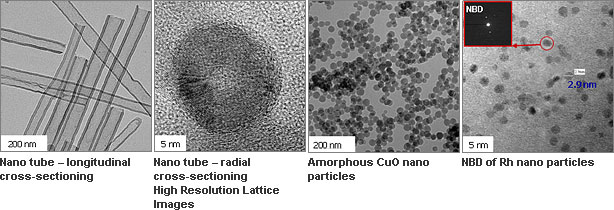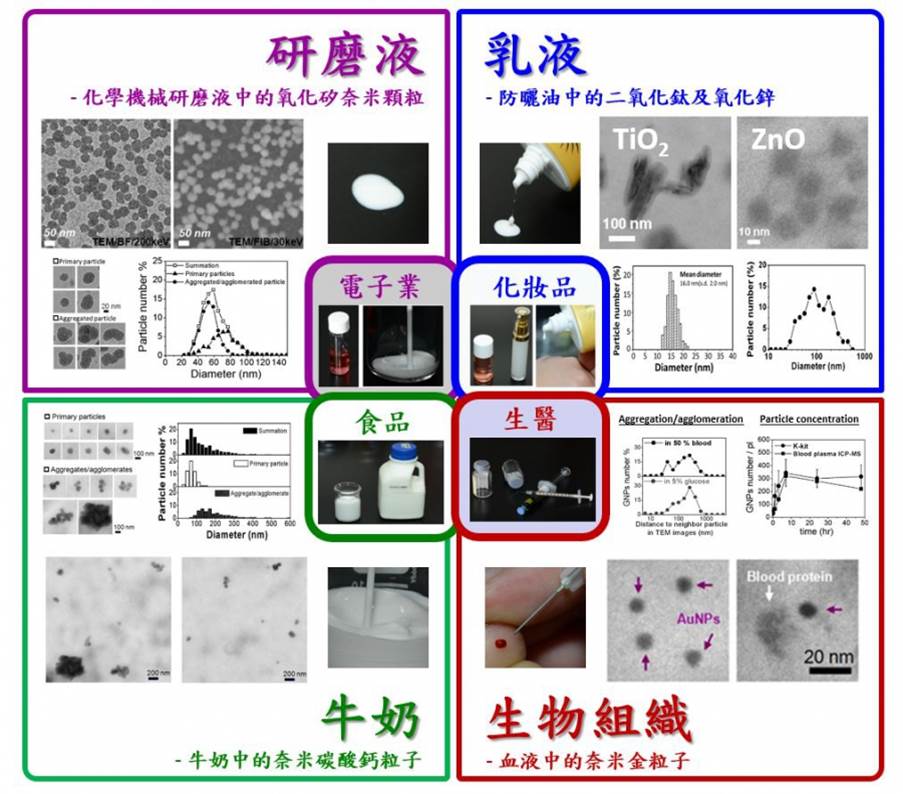

Nanomaterials have been widely used in the fields of biopharmaceuticals, cosmetics, and food technology. The particle size, morphology, dispersion state, and crystal structure of nanoparticles directly affect the functionality, safety, and stability of products. Therefore, precise characterization and quality assessment of nanomaterials through high-resolution electron microscopy and professional analytical techniques have become important aspects of the research and development and quality management of nanoproducts.
Analysis technology
K-kit nano solution analysis
The patented new type of electron microscope liquid sample chamber K-kit technology developed by MA-tek is applied to observe the types, shape distribution, particle size distribution, particle aggregation/cluster state, and particle concentration of individual component nanoparticles in nano products, providing complete quantitative analysis results of nanoparticle morphology that comply with regulatory trends.
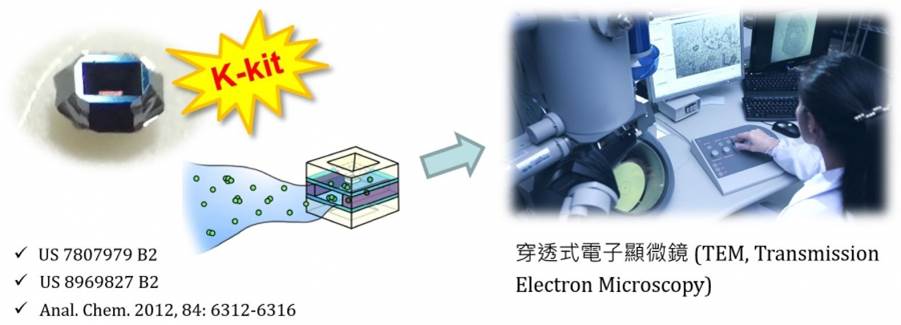
K-kit is a patented technology for liquid sample preparation applied by MA-tek for TEM.
Technical Principles
The K-kit sample chamber is a new patented sample preparation technology from MA-tek. Its chip body is formed by micro-electromechanical systems (MEMS) technology, featuring an ultra-thin design that is compatible with various transmission electron microscopes. It can maintain the sample in its original liquid state for observation in a high vacuum environment of electron microscopy.
The application of K-kit enables high-quality electron microscopy observation of liquid samples, allowing for direct observation and analysis of nanostructures and their aggregation phenomena, whether for liquid samples in their final product state or for general dried samples.
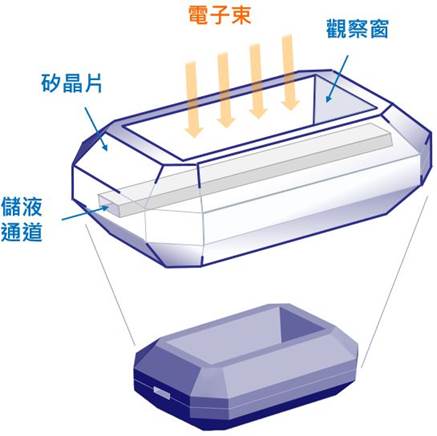
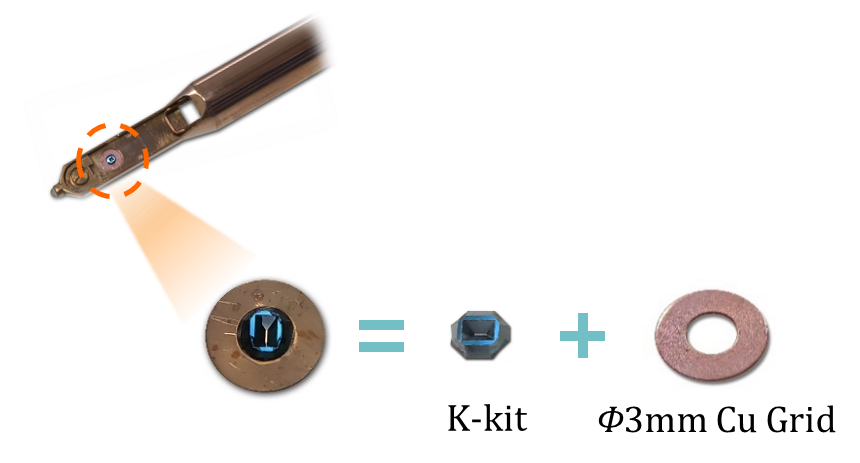
The K-kit uses a standard copper ring with a diameter of 3mm for support, making it suitable for observation with TEM equipment from all brands.
-
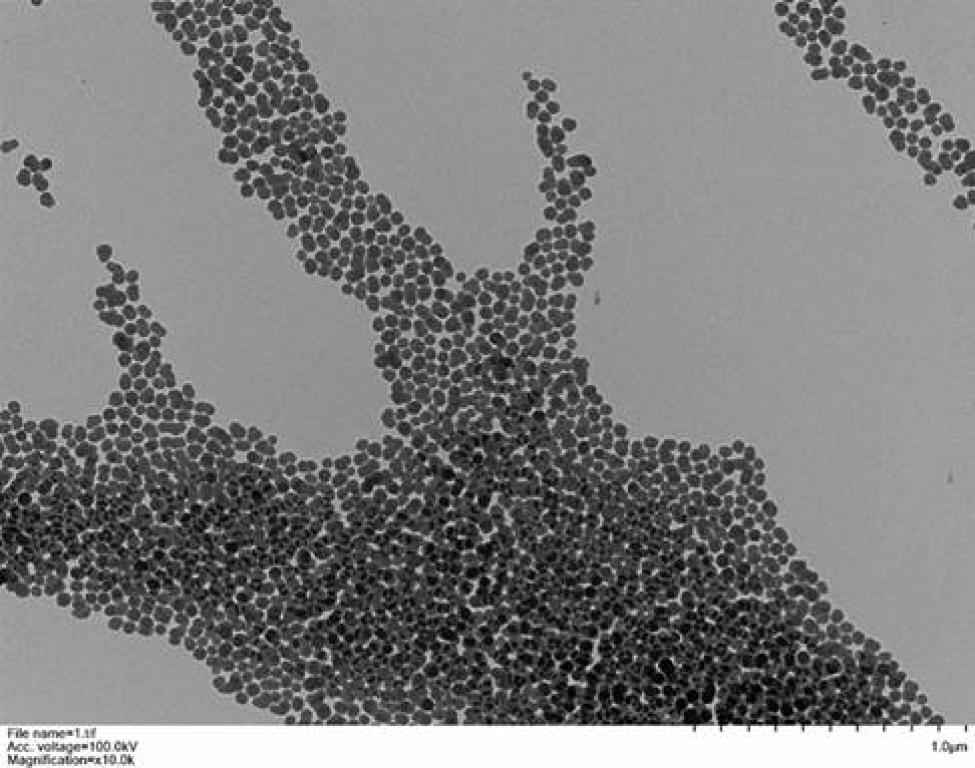
Drying results on copper mesh -
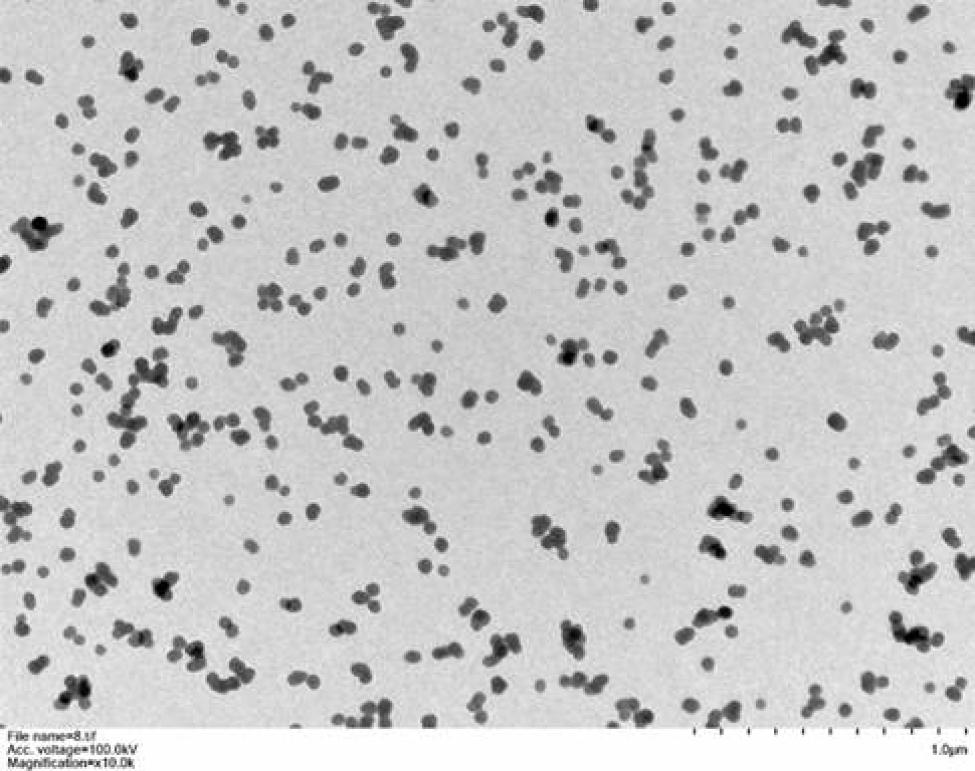
Results of sample preparation using K-kit
Dry and wet sample preparation
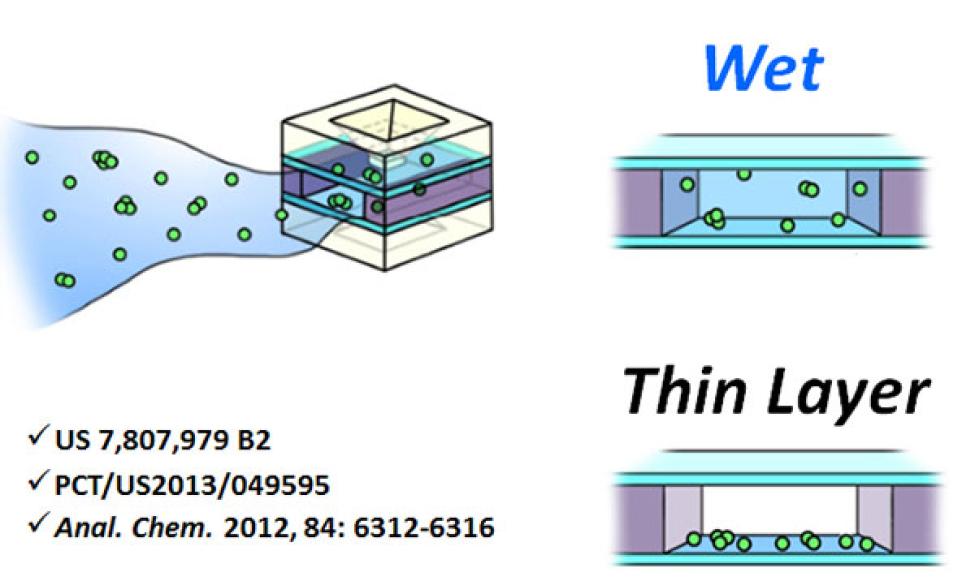
- WetLiquid samples can be directly injected and sealed for observation on the machine. (A small amount of liquid sample is retained in the channel.)
- Dry: The sample underwent vacuum drying treatment, which does not affect the distribution of nanoparticles and significantly improves image resolution. (The liquid in the channel has completely dried.)
-
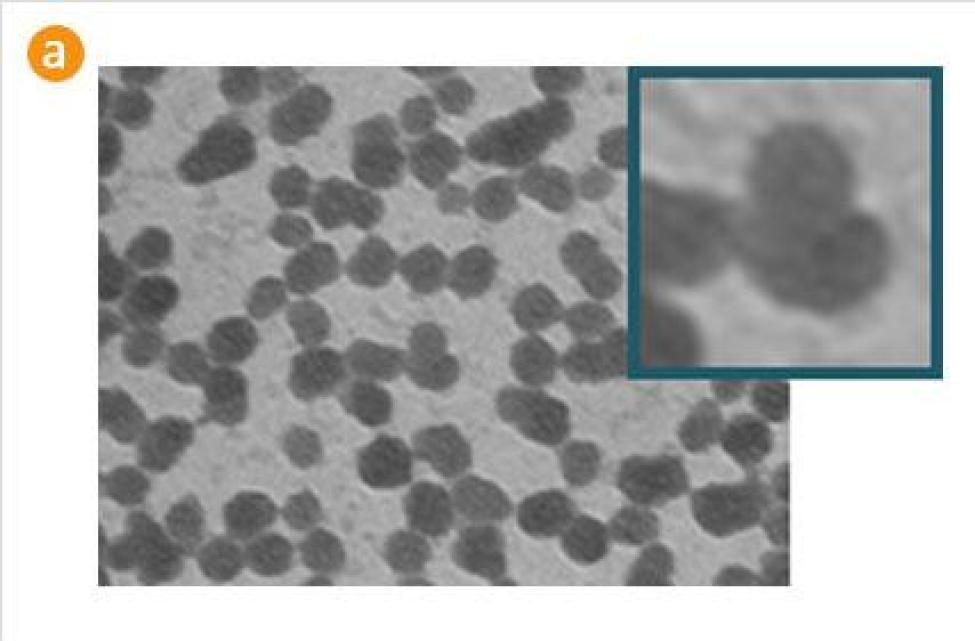 (a) Wet K-kit: Image quality is acceptable
 -
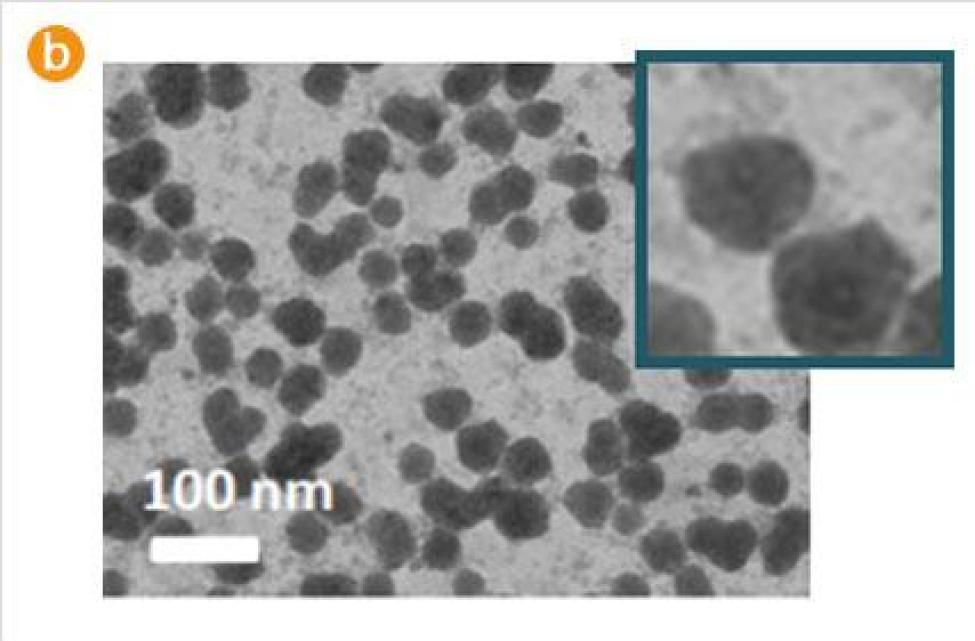 (b) Dry K-kit: Improve imaging resolution
Analytical ability
- Through high-resolution transmission electron microscopy, the lattice structure and microscopic morphology of nanomaterials can be observed, with a resolution reaching atomic scale.
-
Using an approximately 2 nm electron probeMicro-area diffraction analysis can determine the crystal structure, crystal orientation, and material phase of nanoparticles.