
Automotive Component Reliability Services
"Automotive Component Reliability Services" is a series of verification and testing services conducted for the "reliability" and "durability" of automotive electronic components used in real application environments over the long term.
Automotive electronic components mainly refer to the verification standards established by the Automotive Electronics Council (AEC), including AEC-Q100 (active components), AEC-Q101 (discrete semiconductors), AEC-Q102 (optical discrete semiconductors), AEC-Q103 (microelectromechanical components), AEC-Q104 (multichip modules), and AEC-Q200 (passive components).
AEC was initiated and established in 1994 by major American automakers such as Chrysler, Ford, and General Motors (GM), and currently has members from major automotive manufacturers, automotive electronics, and semiconductor companies worldwide. At first glance, the verification specifications for automotive electronics seem to be more stringent than those for general components, but in fact, they are mainly based on commonly used international standards such as JEDEC or MIL-STD, with the addition of some special items, such as IC electromagnetic compatibility (IC EMC) testing and board-level reliability.
The automotive verification process includes Die Design, Wafer manufacturing, component packaging, electrical testing, and reliability testing, with rigorous verification items at each stage. The table below outlines the AEC-Q100 automotive verification process for active components.
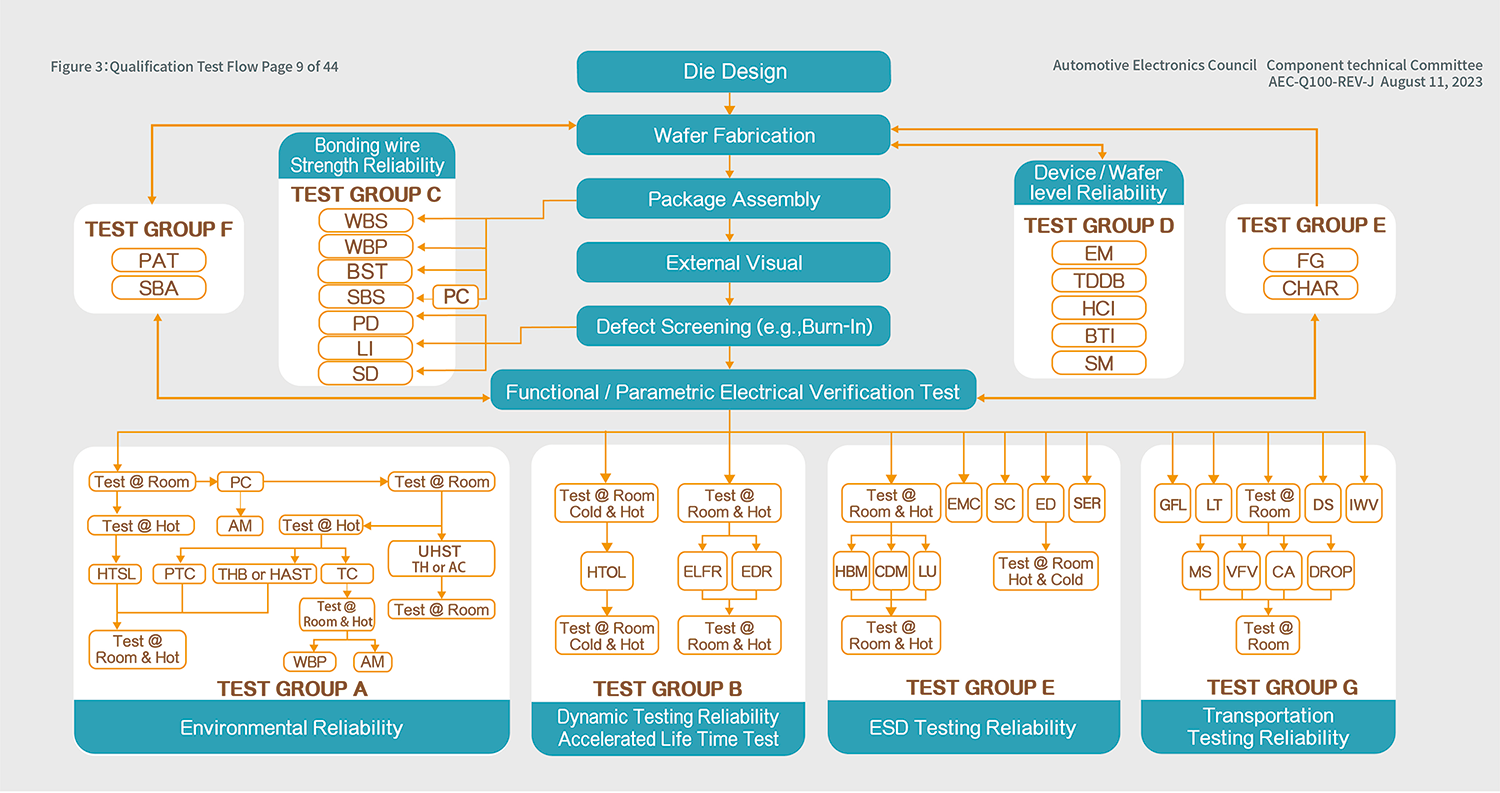
Figure 1Automotive Electronic Product Verification AEC-Q100
Although AEC has established testing standards for three major categories: active components, discrete semiconductor components, and passive components, in practice, automotive parts also include terminals, connectors, printed circuit boards, wires, and mechanical components. These types of parts are usually designed by the user company to provide testing specifications for suppliers. The usage locations of automotive parts are mainly concentrated in the engine area and the passenger area, and their basic temperature requirements differ, hence the recommended specifications for testing temperatures also vary. Among them, LEDs are more special, with a narrower temperature range.
Automotive electronic testing, in addition to traditional product lifespan testing, incorporates tests related to product structure or assembly quality. For example, considering the risk issues of cavity package structures, vibration and drop tests are included. Automotive electronics emphasize the family concept, allowing for a simplification of the number or content of tests for homogeneous groups. Furthermore, AEC only provides testing recommendations and does not have the function of review or approval. All test results are presented through self-declaration, but it is advisable to prioritize confirming specification standards with customers or users.
Automotive electronic components are not easily adopted, and the certification time is long. Although Taiwan is a hub for IC design, its share of the global automotive electronic components market is still low. MA-tek's reliability laboratory has recruited industry professionals to provide integrated services for the verification of automotive components and offers relevant training to customers, aiming to assist them in quickly and accurately passing the verification process.
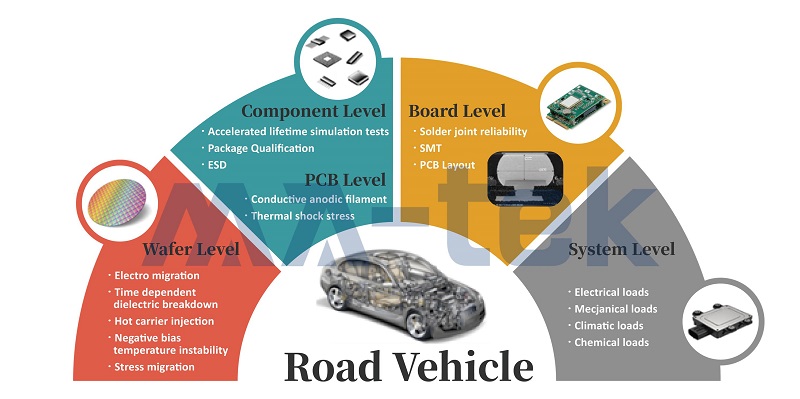
Figure 2 MA-tek's comprehensive automotive verification services
The information technology security assessment standard ISO/IEC 15408 integrates the information security technology standards of Europe and the United States (originating from military standards) and has gradually developed into an international standard for global information security technology. Currently, through the CC mutual recognition mechanism (CCRA, Common Criteria Recognition Arrangement), member countries recognize the capabilities of laboratories, evaluation results, and certification security levels.
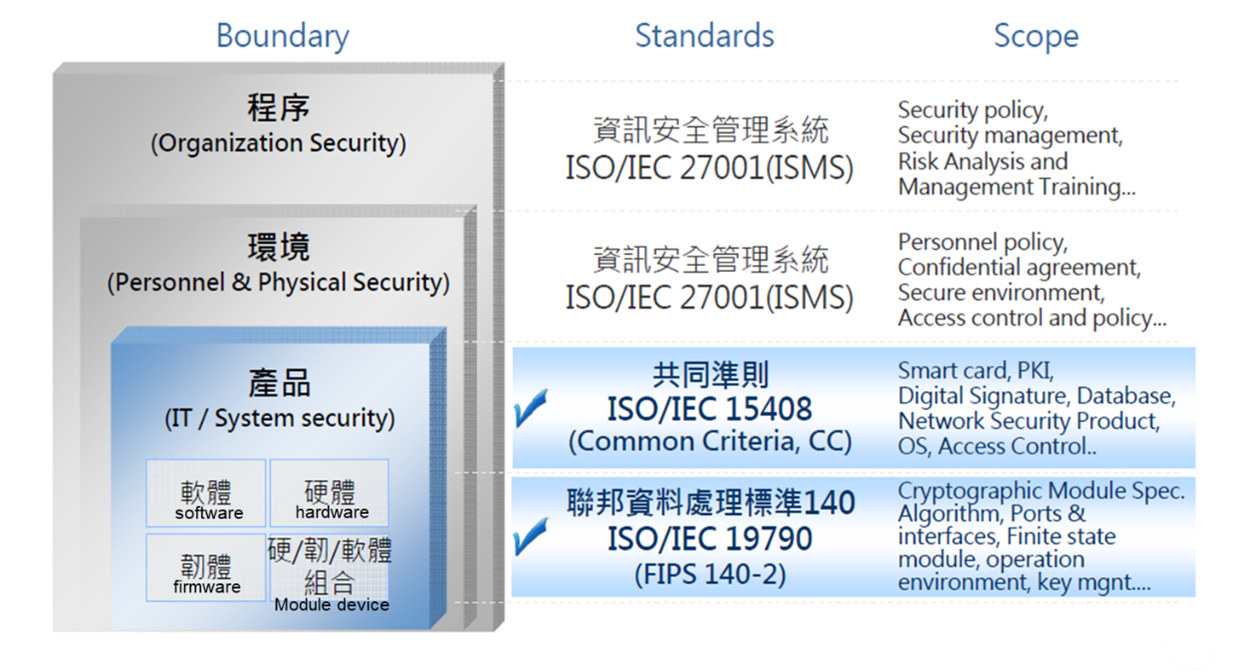
International Standard for Information Security
MA-tek is the world's first to passISO/IEC 15408 EAL6Certified third-party analysis testing laboratory.
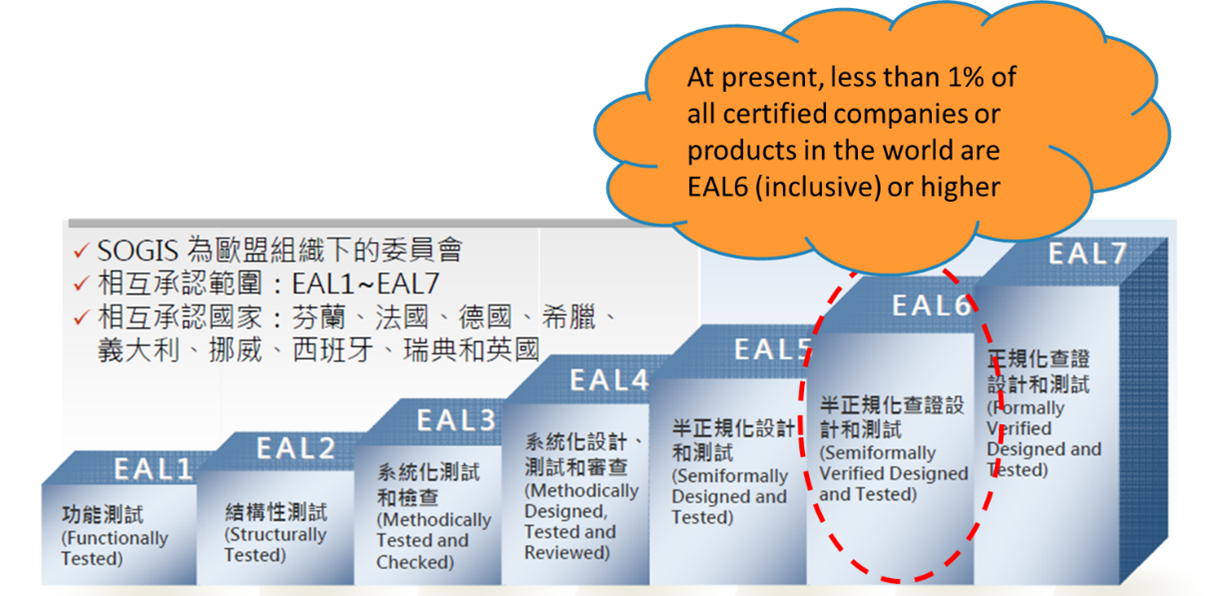
Figure 3CC evaluation and validation
MA-tek is a third-party analysis and testing laboratory covering semiconductor materials and the electronics field. It has 16 laboratories worldwide. Among them, the Jinshan laboratory located in the Science Park mainly provides reliability testing and verification services for new products and new manufacturing processes, as well as new technologies for electronic components across various industries. It officially passed the Germany Federal Office for Information Security (BSI) ISO/IEC 15408 CC EAL6 information security site certification (Site security certification) in September 2020, taking only 10 months, making it the first analysis and testing laboratory in the world to achieve ISO/IEC 15408 EAL6 certification.
In the future, MA-tek can directly undertake the testing of security products, such as smart card-related products and systems on chips, operating systems, application systems, card readers, and other network-related security products, as well as system firewalls, wireless network cards, wireless access points, Trusted Platform Modules (TPM), Public Key Infrastructure (PKI), Virtual Private Networks (VPN), and Intrusion Detection/Prevention Systems (IDS/IPS). They will also provide clients with technical analysis and reliability testing for information security product qualifications, significantly reducing the certification burden and audit processes for clients, effectively lowering resource costs for both parties.