Chat with us, powered by LiveChat

XPS X-ray Photoelectron Spectrometer

Technical Principles

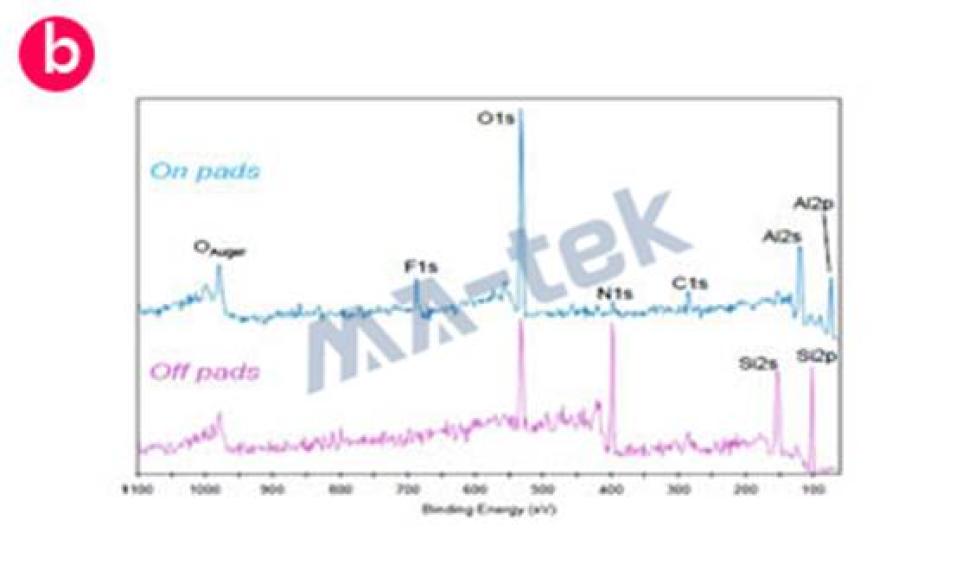
X-ray Photoelectron Spectroscopy (XPSis a highly sensitive surface analysis technique used to measure the surface of materials.element composition and chemical bonding state,When the surface of the material is irradiated with X-rays, it will producephotoelectric effectThe inner orbital electrons of the material are excited and released as photoelectrons, which can be measured by an energy analyzer to obtain theirbinding energy spectrumDue to different elements and different electron orbitals having specific binding energies, it is possible to determine through the energy spectrum:element types,element ratio,Chemical bonding state.


In addition, when elements form chemical bonds with different elements, their electron binding energy will producechemical shift,For example, the higher the degree of metal oxidation, the higher the binding energy usually is, so this characteristic can be used to analyze the material'sChemical state and oxidation state,XPS mainly measures the surface of materials about1–10 nm depth rangethe elements and chemical information, therefore it is very suitable forSurface chemical analysis and thin film material research

Analysis Application
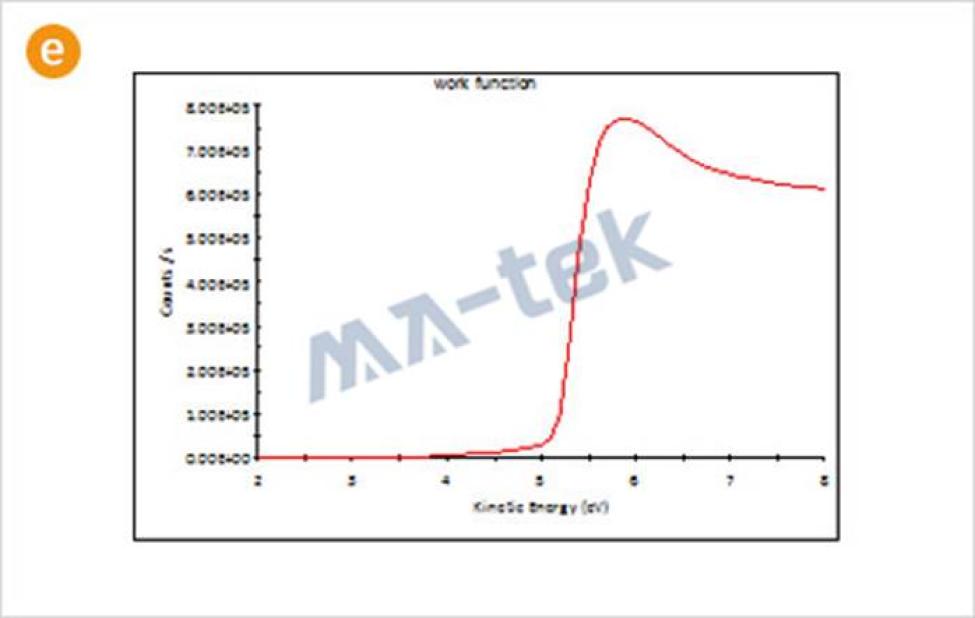
Metal work function analysis
The work function of metallic materials is of great significance for the research of electronic materials and components.
Analysis of Metal Oxidation Degree and Oxide Layer Thickness
Can analyze the oxidation state and chemical composition of metal surfaces, and estimate the thickness of the surface oxide layer: non-destructive analysis (suitable for <10 nm thin films), ion etching depth analysis.
Film Composition and Depth Analysis
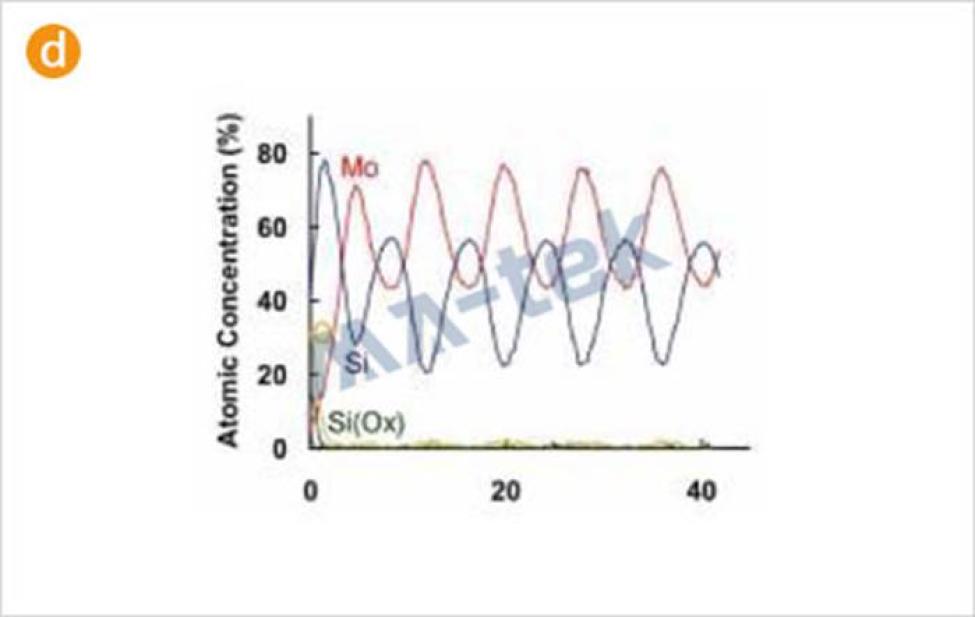
The elemental composition and ratio of measurable thin films can be analyzed. Coupled with argon ion etching (Ar sputtering), depth profiling can be performed to observe the variation of material composition with depth.
Surface Contamination and Anomaly Analysis
Can be used for analysis: sources of surface contamination, surface anomalies or defects, metal corrosion and oxidation, such as color anomalies, surface defects or determination of contaminant composition.
Types of machines


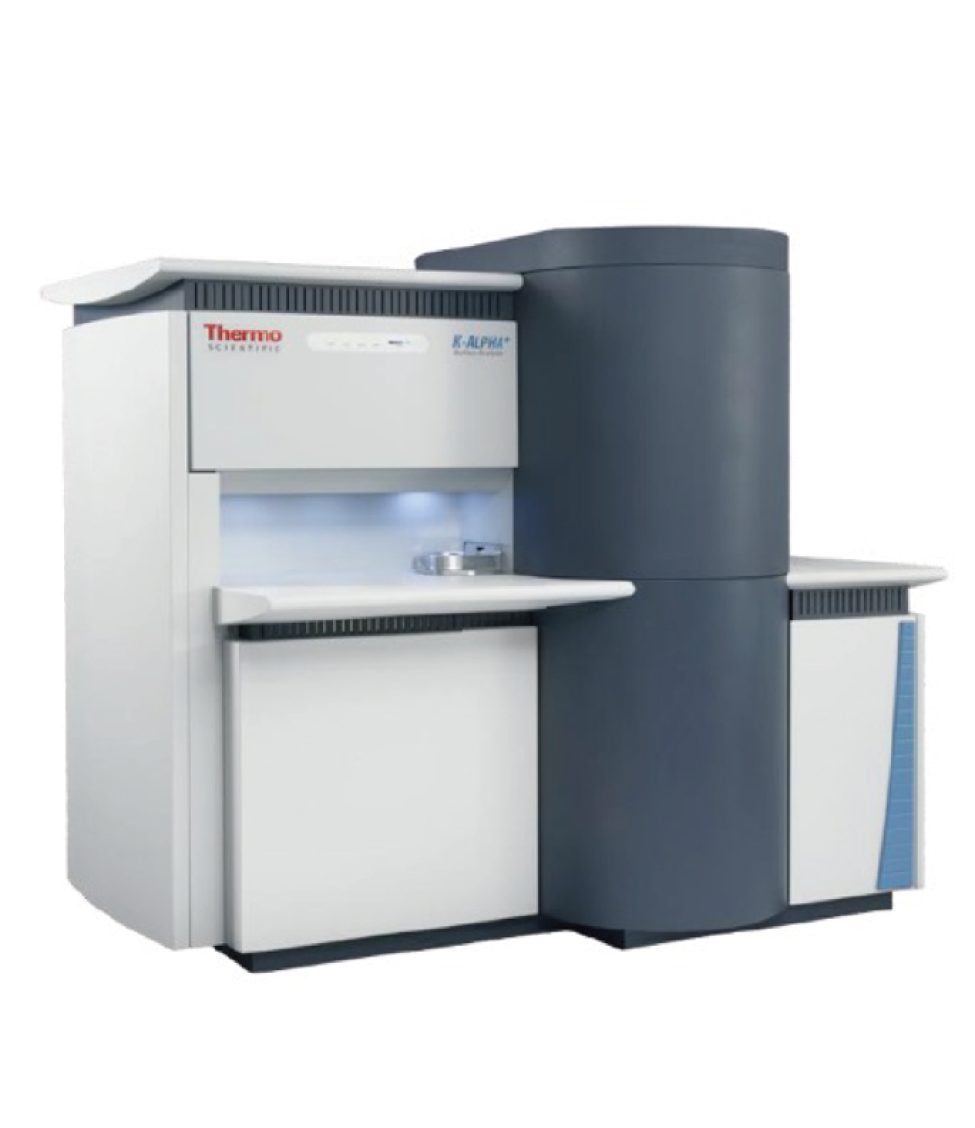
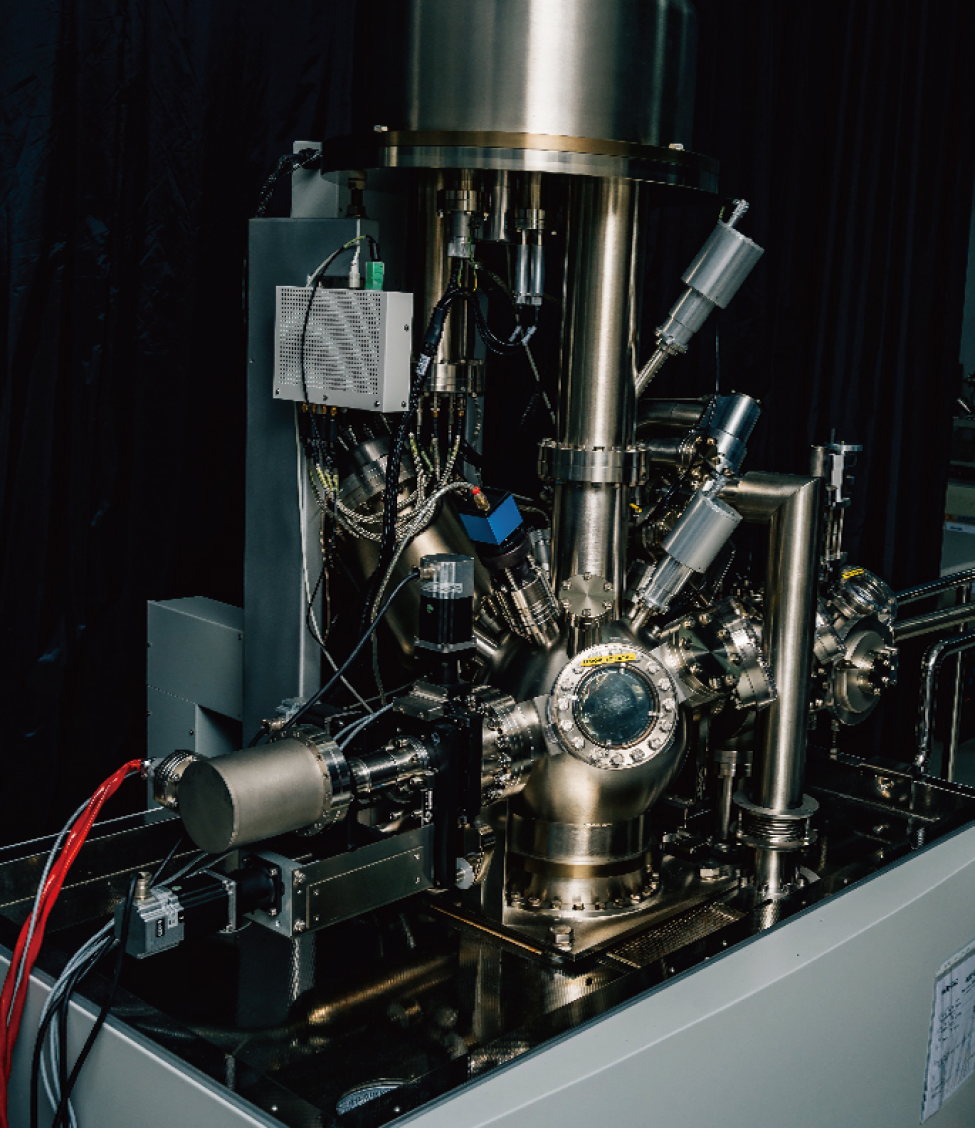
  • XPS/ESCA (Thermo K-alpha, K-alpha+)


  • XPS/ESCA (ESCALAB Xi+)

    • The spatial resolution for micro-area analysis can reach 5 µm.
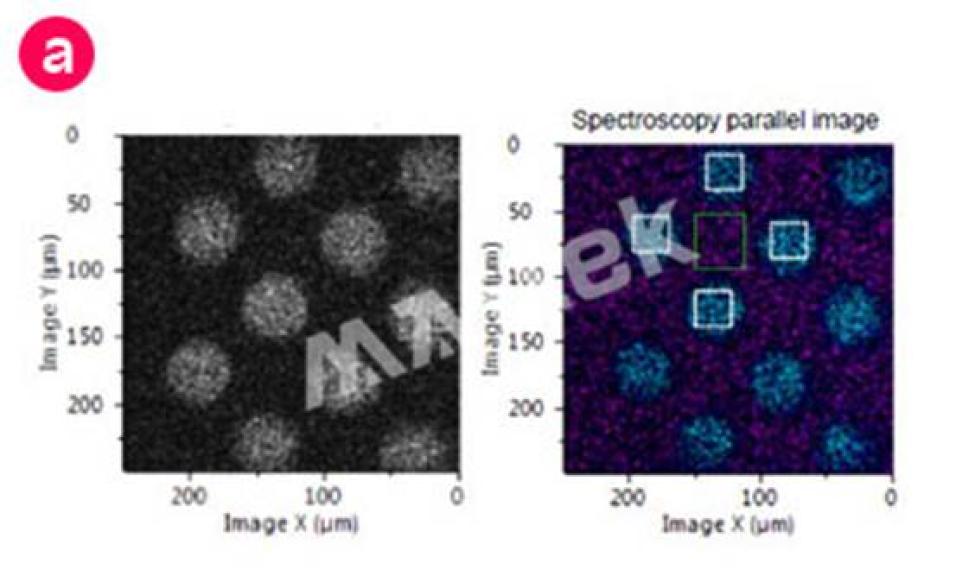
    • Photoelectron imaging provides precise positioning analysis.
    • The molecular ion gun can reduce sample damage caused by ion etching.
    • Comprehensive spectral distribution analysis aids in the identification of unknown substances.
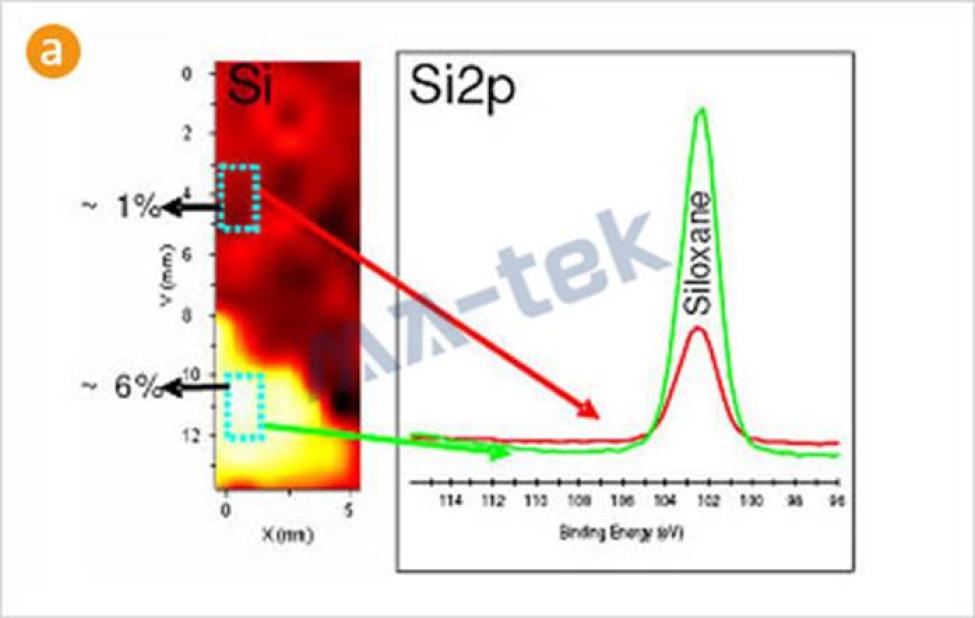
  • (a) Parallel Image

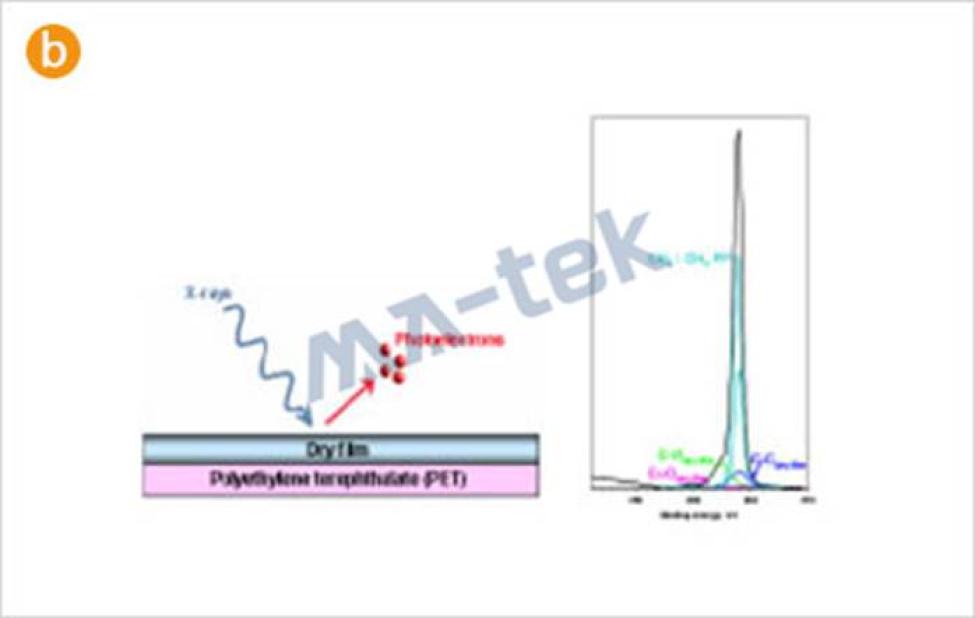
  • (b) Spectrum for Interested Area

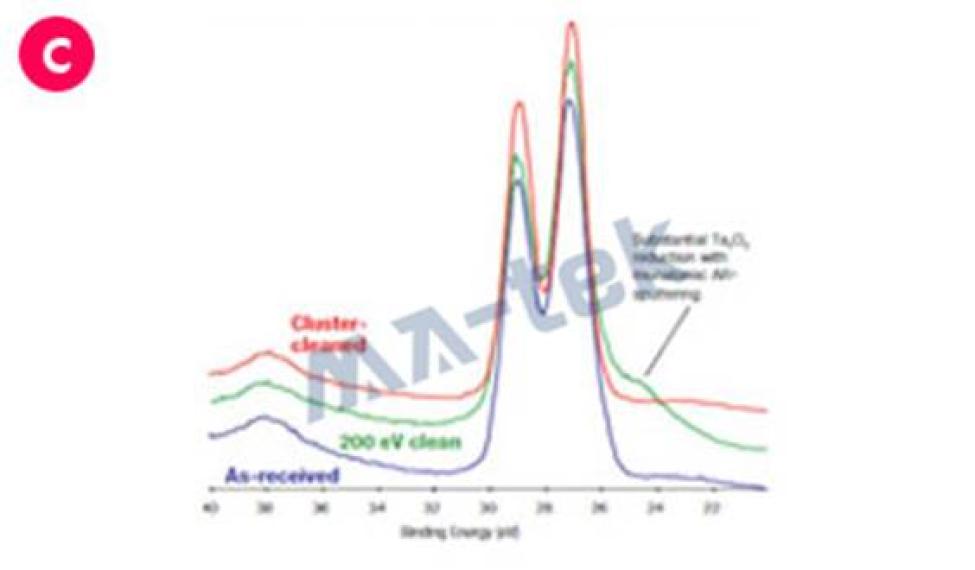
  • (c) Cluster-cleaned Prevent Ta Reduction

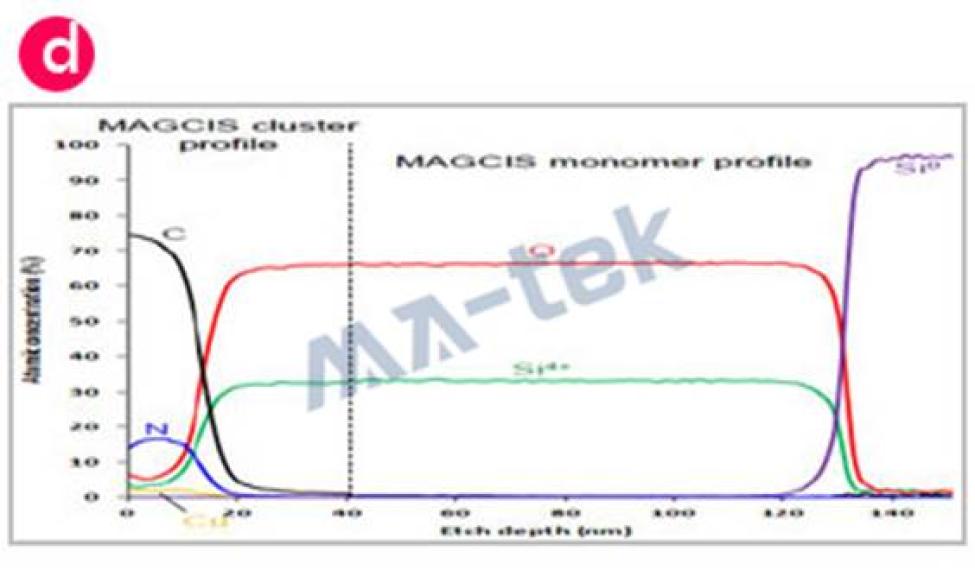
  • (d) Depth profile by using MAGCIS

Application Examples
  • (a) Adhesion failure issue

  • (b) Identification of photo resist residue

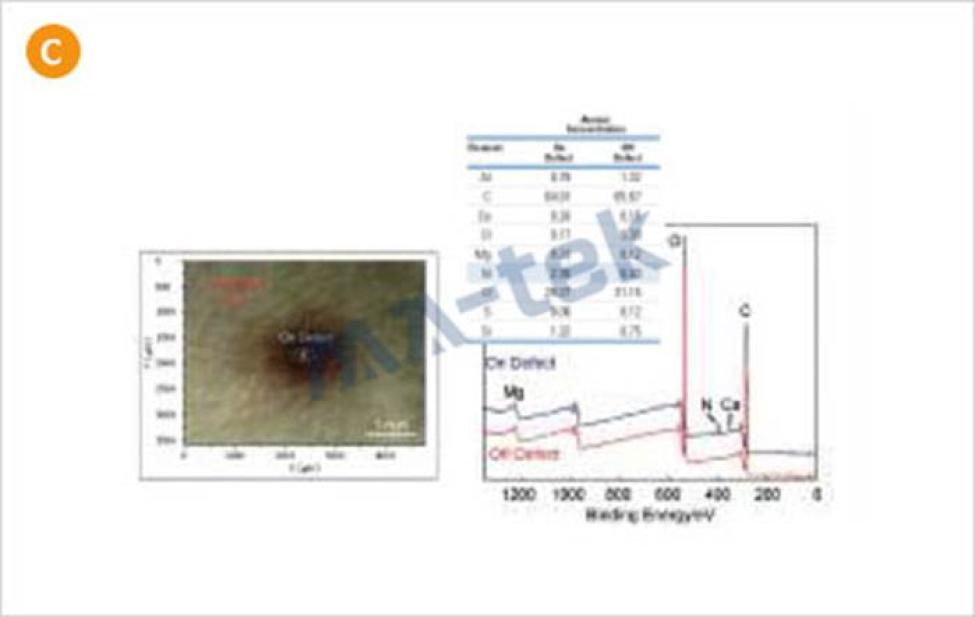
  • (c) Surface contamination

  • (d) Depth profiling

  • (e) Work function

  •  
     
Contact
Contact Window
Shanghai Laboratory

Mr. Yang

Ext. +86-21-5079-3616 ext:7201
Taiwan Laboratory

Miss Huang

Ext. +886-3-6116678 ext:3960

Privacy Preference Center

We use cookies to allow our website to function properly, personalize content and advertisements, provide social media features, and analyze traffic. We also share information about your usage of our website with social media, advertising, and analytics partners.

View Privacy Policy

Manage Consent Settings

Necessary Cookies

Always Enabled

The operation of the website relies on these cookies, and you cannot disable them in the system. These cookies are usually set based on the actions you take (i.e., service requests), such as setting privacy preferences, logging in, or filling out forms. You can configure your browser to block or prompt you about these cookies, but this may result in certain website functionalities not working.