Chat with us, powered by LiveChat

XRF X-ray fluorescence spectrometer

Technical Principles

X-ray Fluorescence (XRF)XRF) is a non-destructive elemental analysis technology,When the sample is irradiated with high-energy X-rays or gamma rays, the inner-shell electrons of the atoms in the material are excited and leave their original orbitals, creating electron vacancies. When the outer-shell electrons fill these vacancies, they release characteristic X-rays with specific energies.Characteristic X-ray (X-ray Fluorescence)


The characteristic X-rays produced by different elements have different energies or wavelengths. Therefore, by detecting these signals with a detector, it is possible to determine the presence of elements in the sample.Element types and contents,XRF analysis hasFast, non-contact, non-destructivethe characteristics, can be used for elemental analysis of various materials, such as:metal materials,electronic components, glass and ceramics,building materials,geochemical samples.


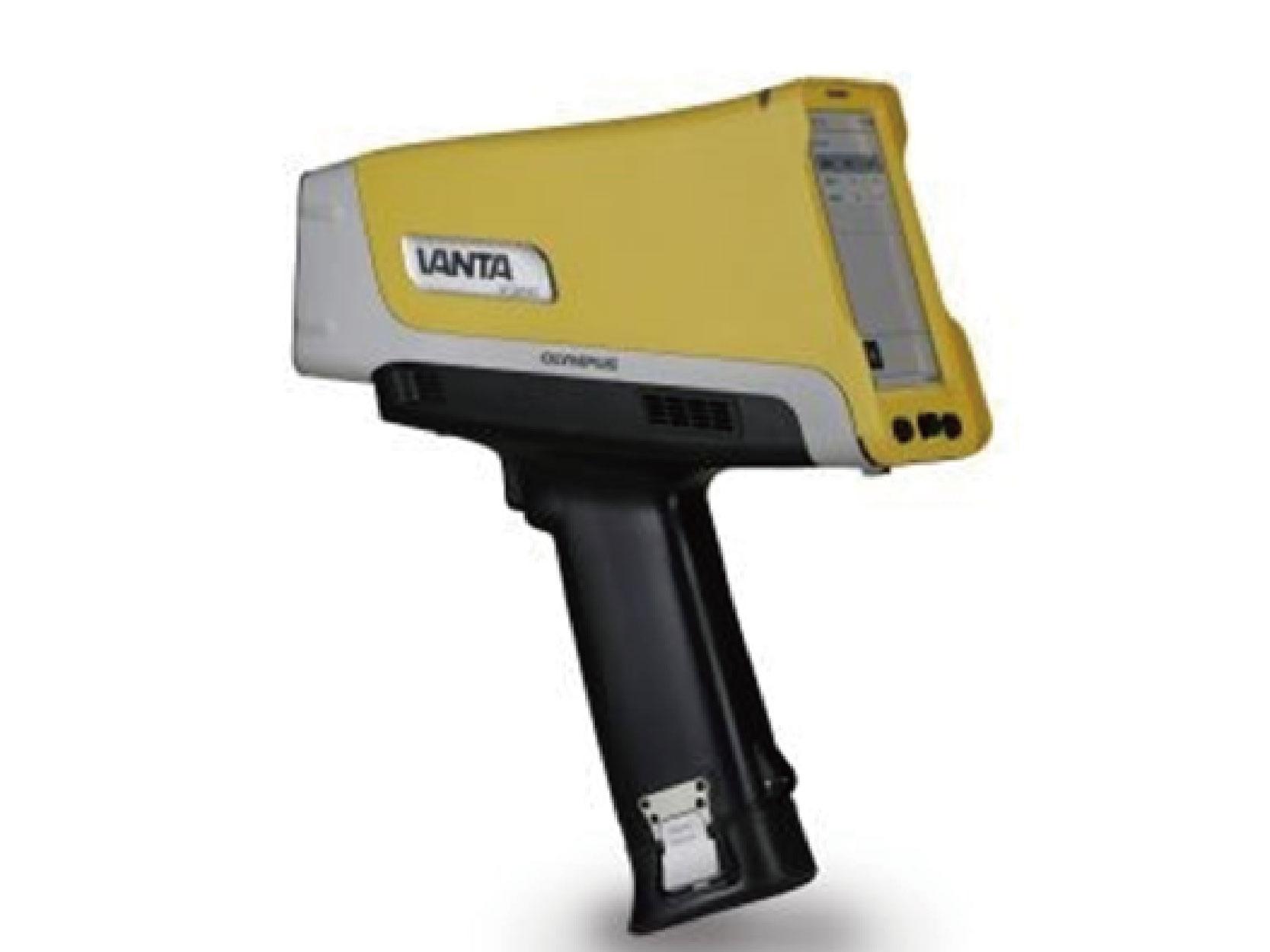
In addition, Portable XRF analyzerRapid testing can be conducted directly on-site, especially suitable for large or immobile samples, such as in environmental monitoring, material inspection, and product quality control.

System Features
  • Rapid Element Analysiscan measure trace metals or thin film components in small areas

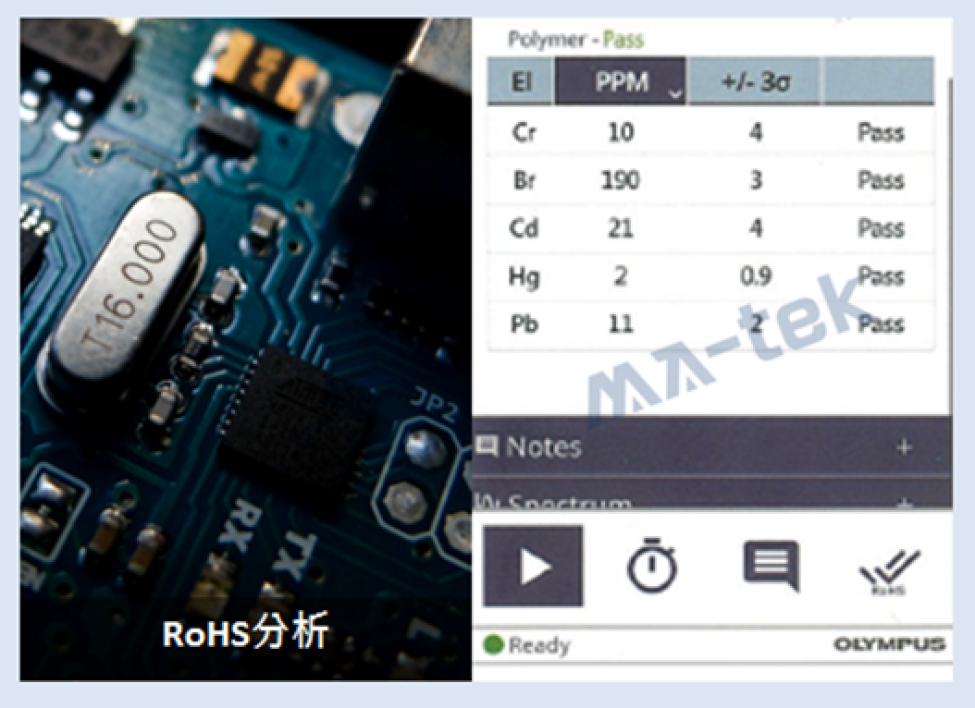
  • RoHS testing modewith shape, thickness, and position correction functions to improve measurement accuracy

  • Automatic selection of standard curves and element analysis modes

  • Plastic Material Dedicated Analysis Softwareto reduce errors caused by differences in sample size and shape

  • Built-in halogen-free Br and Cl calibration curves, enabling precise quantification

  • Automatic Spectrum Analysis Systemprovides qualitative and quantitative analysis of elements

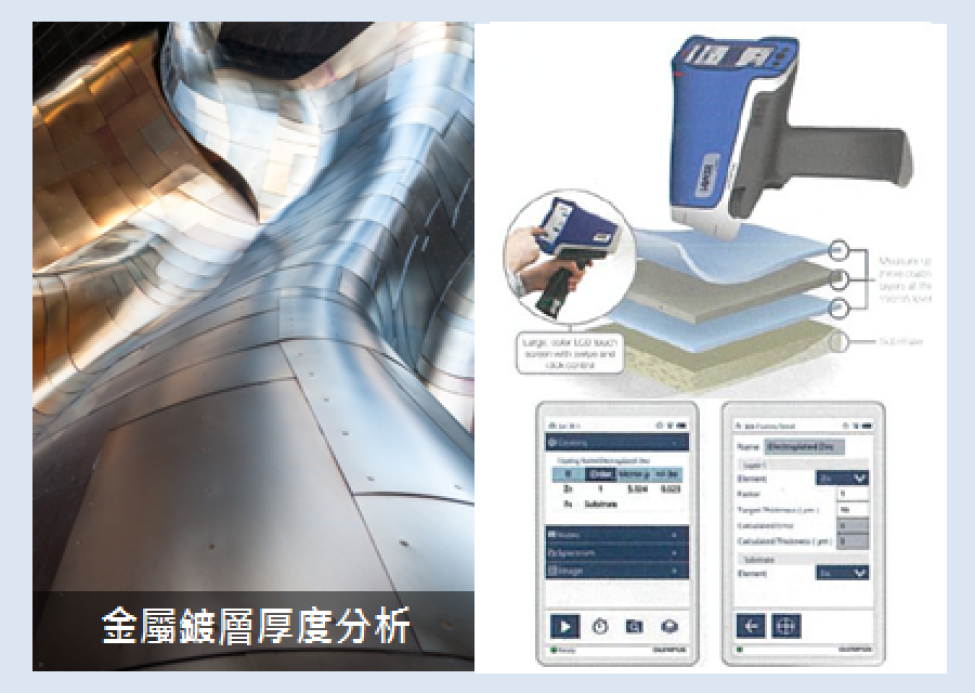
  • Can Complete thickness measurement of multi-layer coatings such as Au/Ni/Cu in about 10 seconds.

Analysis Application
Environmental and Oil Analysis
Applicable for soil heavy metal analysis and oil element analysis.
Material and Alloy Analysis
Applied to: metal alloy grade identification (PMI), precious metal composition analysis, RoHS hazardous substance analysis, halogen-free material testing.
Film thickness measurement
Measurable metal coating structures, such as the thickness of Au/Ni/Cu multilayer coatings.
Electronic materials composition analysis
Can quickly analyze the material composition of printed circuit boards (PCBs) and solar cell materials.
Analysis of various samples
Applicable to various sample types, including: solid, liquid, powder, with no sample size restrictions.
Multi-element rapid analysis
The range of elements that can be analyzed is from magnesium (Mg) to uranium (U), with detection limits reaching ppm levels.
Non-destructive elemental analysis
XRF is a non-contact, non-destructive analytical technique that can directly measure the elemental composition of materials.
Types of machines
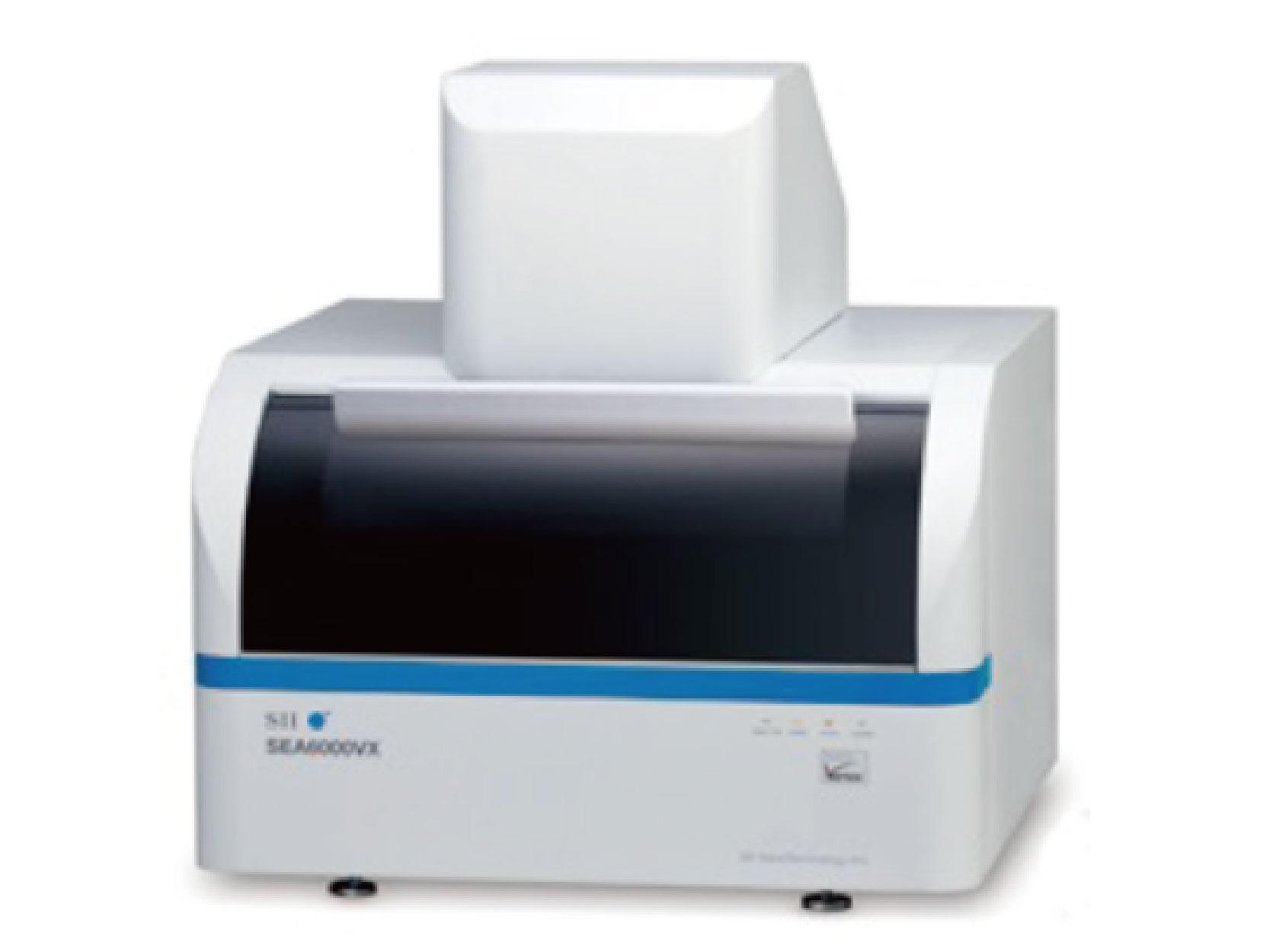
  • Desktop X-ray fluorescence analyzer (Hitachi EA 6000VX)

  • Portable X-ray fluorescence analyzer XRF
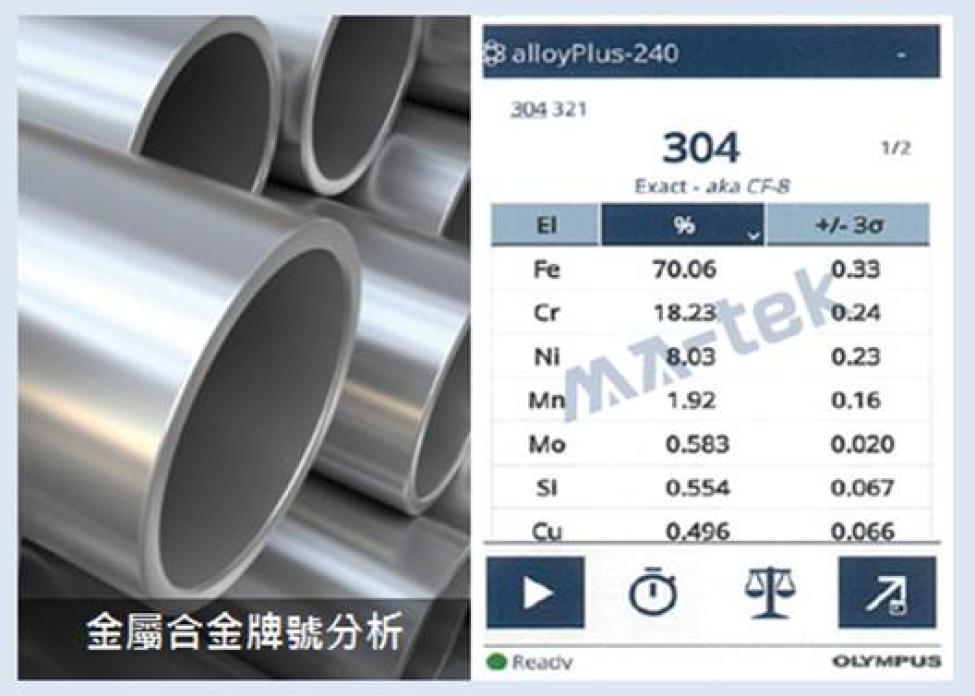
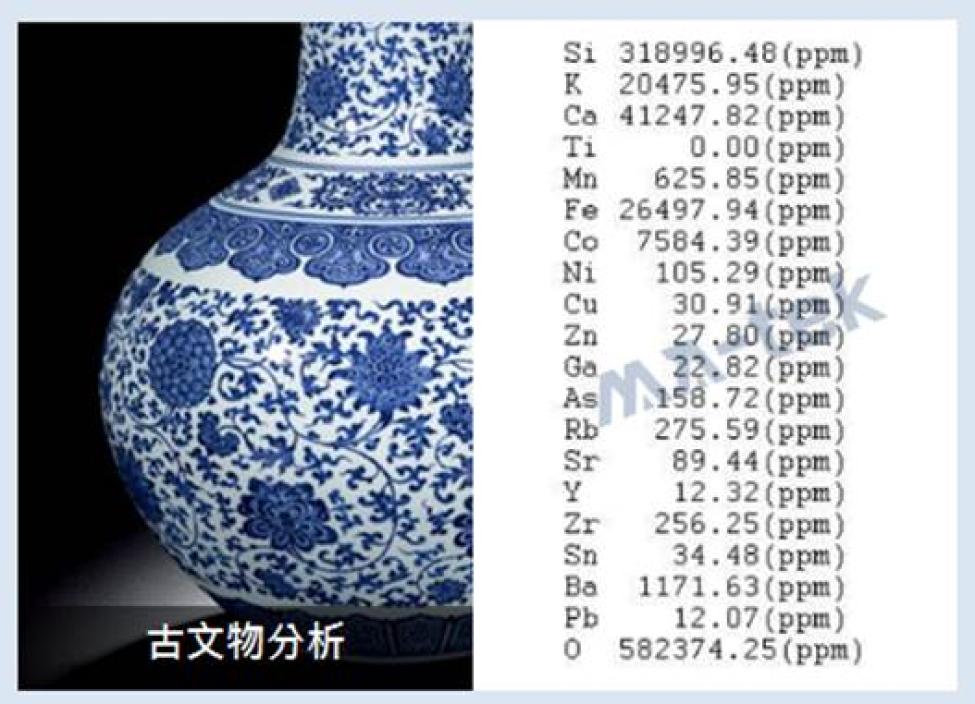
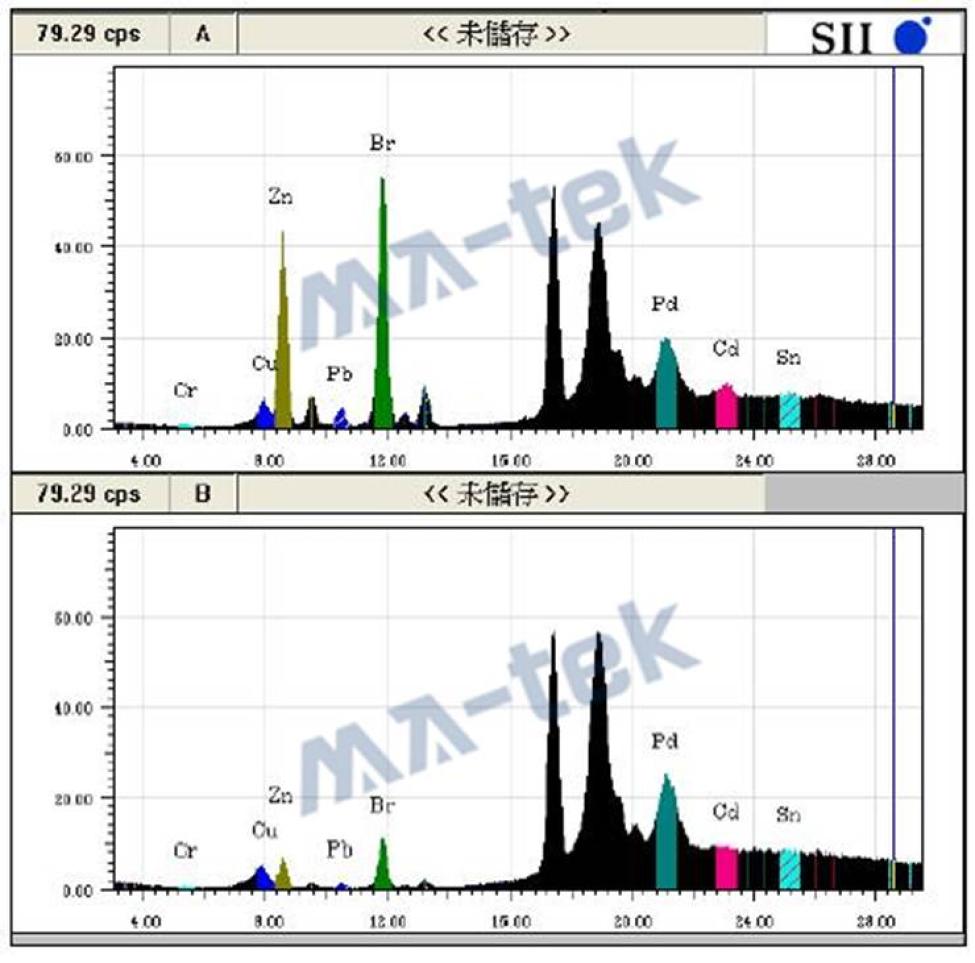
Application examples
  • Material quality energy spectrum differences

  •  
Contact
Contact Window
Shanghai Laboratory

Mr. Yang

Ext. +86-21-5079-3616 ext:7201
Taiwan Laboratory

Miss Huang

Ext. +886-3-6116678 ext:3960

Privacy Preference Center

We use cookies to allow our website to function properly, personalize content and advertisements, provide social media features, and analyze traffic. We also share information about your usage of our website with social media, advertising, and analytics partners.

View Privacy Policy

Manage Consent Settings

Necessary Cookies

Always Enabled

The operation of the website relies on these cookies, and you cannot disable them in the system. These cookies are usually set based on the actions you take (i.e., service requests), such as setting privacy preferences, logging in, or filling out forms. You can configure your browser to block or prompt you about these cookies, but this may result in certain website functionalities not working.