
IC lifespan testing and early failure rate assessment
As the manufacturing technology continues to improve, the requirements for the long-term reliability of products have become increasingly stringent. International standards such as JEDEC, AEC, and MIL all requireLifetime testingListed as one of the most critical items in semiconductor verification, used to evaluate the lifespan, early failure rate, and long-term reliability of components in real usage scenarios.
Operation Life Test (OLT)It is an extremely critical part of semiconductor component testing, used to assess the durability and failure modes of components under prolonged power-on and high-temperature environments. Compared to general testing items, the execution of life tests is more complex and rigorous, especially requiring the combination ofPrecision design and manufacturing of aging boardsto ensure that the stress conditions can be accurately applied to the tested components.Moreover,Early Life Failure Rate (ELFR)Mainly used to verify the reliability of components in the initial usage phase, to eliminate potential defects and weaknesses in the manufacturing process, ensuring that the product can operate stably after leaving the factory and reducing the risk of early failure.
MA-tek has years of experience in semiconductor process and reliability verification, integratingAging board design and manufacturing, accelerated lifetime testing, early failure rate assessment, and lifetime prediction modelsproviding the most comprehensive one-stop OLT/ELFR verification solution, which can assist customers in establishing component lifespan models, enhancing product quality control capabilities, and meeting international automotive regulations and electronic product reliability requirements.
The accuracy and reliability of lifetime testing highly depend on the design and manufacturing quality of the burn-in board. The burn-in board must simultaneously consider signal integrity, heat dissipation capability, operating frequency, impedance matching, and the stability of components under high temperature conditions. Therefore, its production is much more complex than that of general test fixtures. MA-tek reliability laboratory provides comprehensive design and manufacturing services based on the characteristics of customer products and testing conditions.
For standard packages or general testing scenarios, a Universal Board can be selected in conjunction with an adapter to control costs; if the components have special frequency, driving methods, or high power requirements, a dedicated customized Burn-in Board can also be provided to ensure optimal operational stability of the components under high temperature, bias, and dynamic signal conditions.
The design items of the burn-in board include: component layout, signal path design, impedance matching strategy, thermal structure planning, selection of high-temperature materials, socket evaluation, and fixture energy distribution verification, ensuring stability and reproducibility during the lifetime testing process.
-
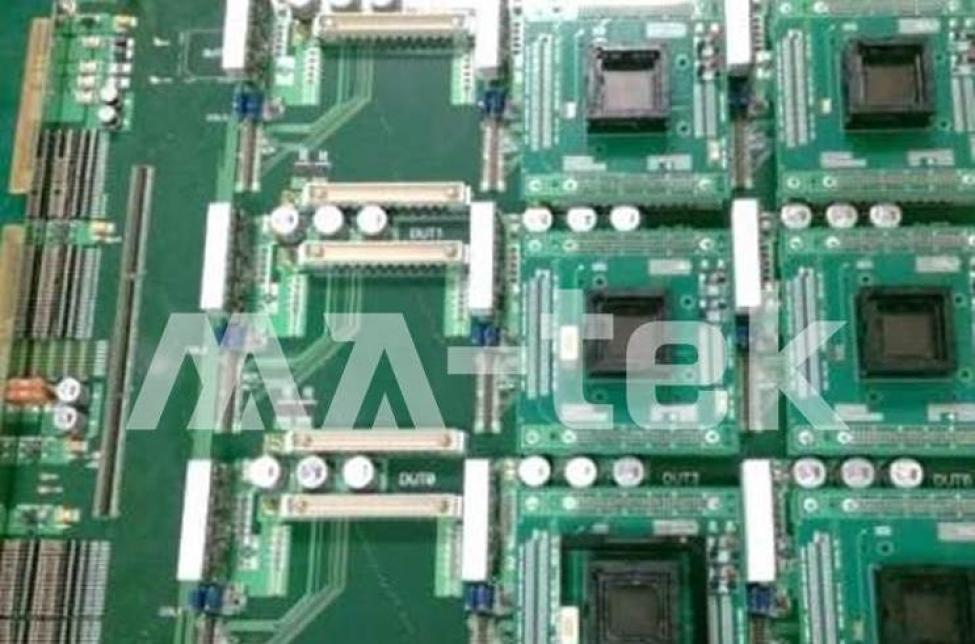
Figure 1 Universal Burn-in Board
-
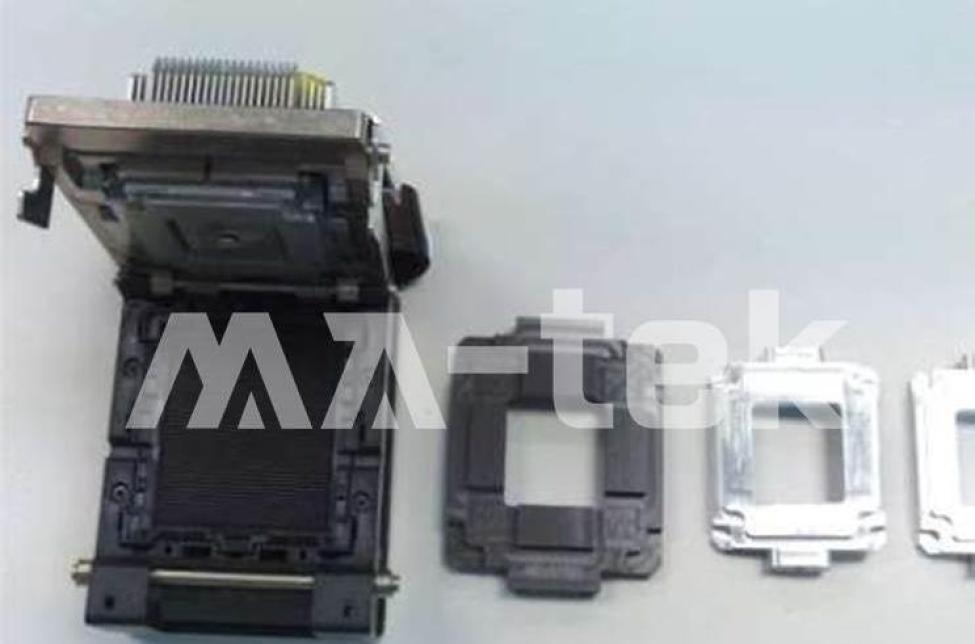
Figure 2 LC2Socket Sample Image
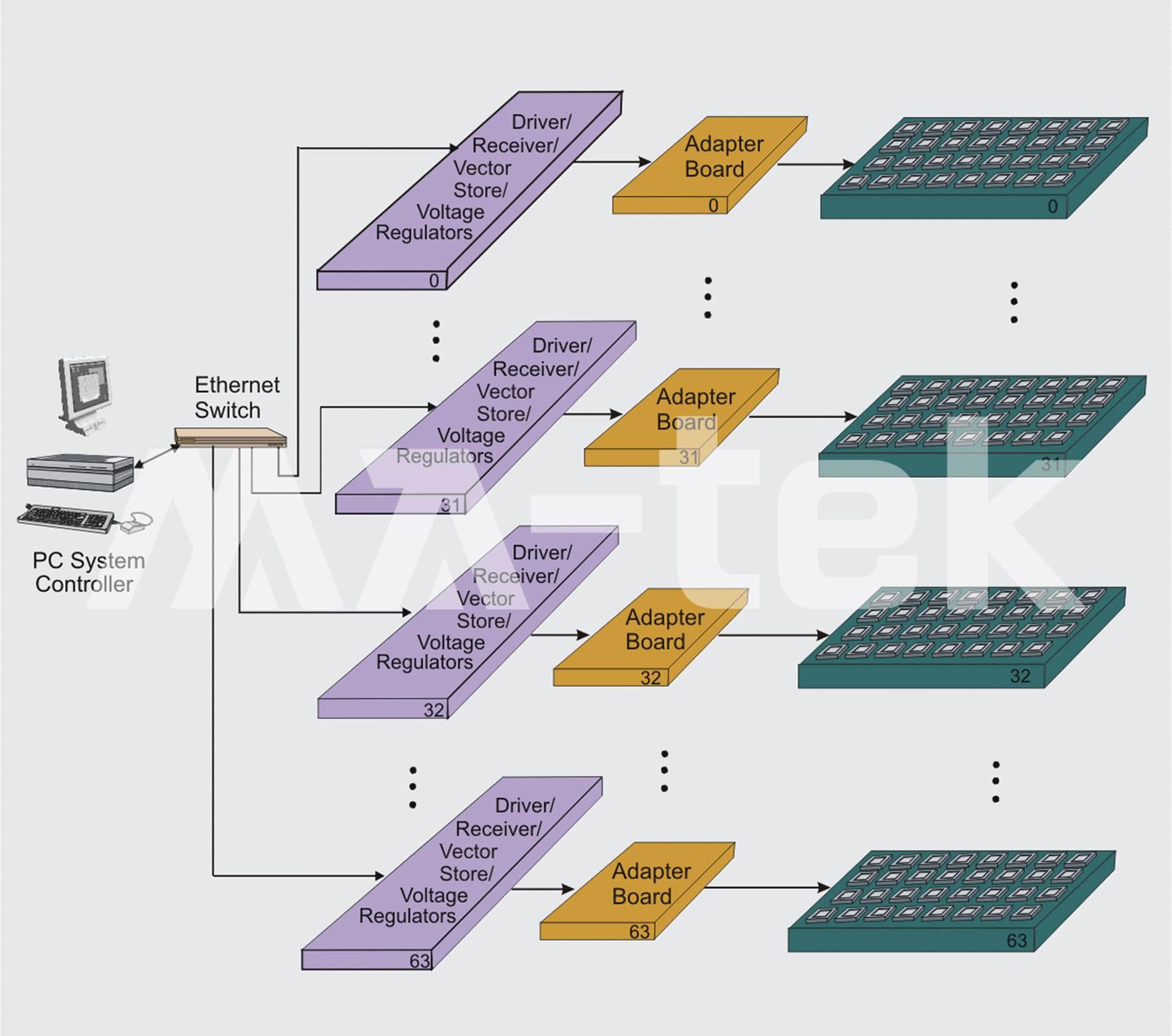
1. High Temperature Operating Life Test (HTOL)
Using high temperature and bias, along with dynamic signals, to continuously age components in a mode similar to real operation is suitable for assessing critical voltage drift, leakage behavior, interface quality degradation, and material fatigue. It is a core test for evaluating the overall lifespan of the circuit.
2. Early Life Failure Rate Testing (ELFR)
Accelerated exposure of components to high temperature and bias is used to screen for potential early failures in products. ELFR is the most important screening mechanism for early failures in quality control and mass production of automotive electronics, as it directly reflects process stability and material integrity.
Life estimation mainly relies on temperature as the primary acceleration factor, using the exponential equation based on the Arrhenius Model as the calculation foundation. By setting an appropriate Activation Energy, the lifespan of components at actual usage temperatures can be inferred from the results of accelerated tests. Common lifespan indicators include FIT (Failure In Time) and MTTF (Mean Time To Failure), which can reflect the expected lifespan at a high confidence level. However, the FIT/MTTF parameters are often difficult for users to intuitively understand the actual risks. Therefore, the industry often uses the "Mission Profile" approach, for example, using the 10-year usage demand time for automotive electronics as a baseline, to reverse calculate the required lifespan testing time using the acceleration factor. This method better reflects the lifespan requirements of components in real applications.
MA-tek provides comprehensive lifetime estimation services for automotive, servo systems, industrial control equipment, communication products, and consumer electronics through lifetime models, acceleration factor verification, failure mechanism comparison, and material behavior analysis.
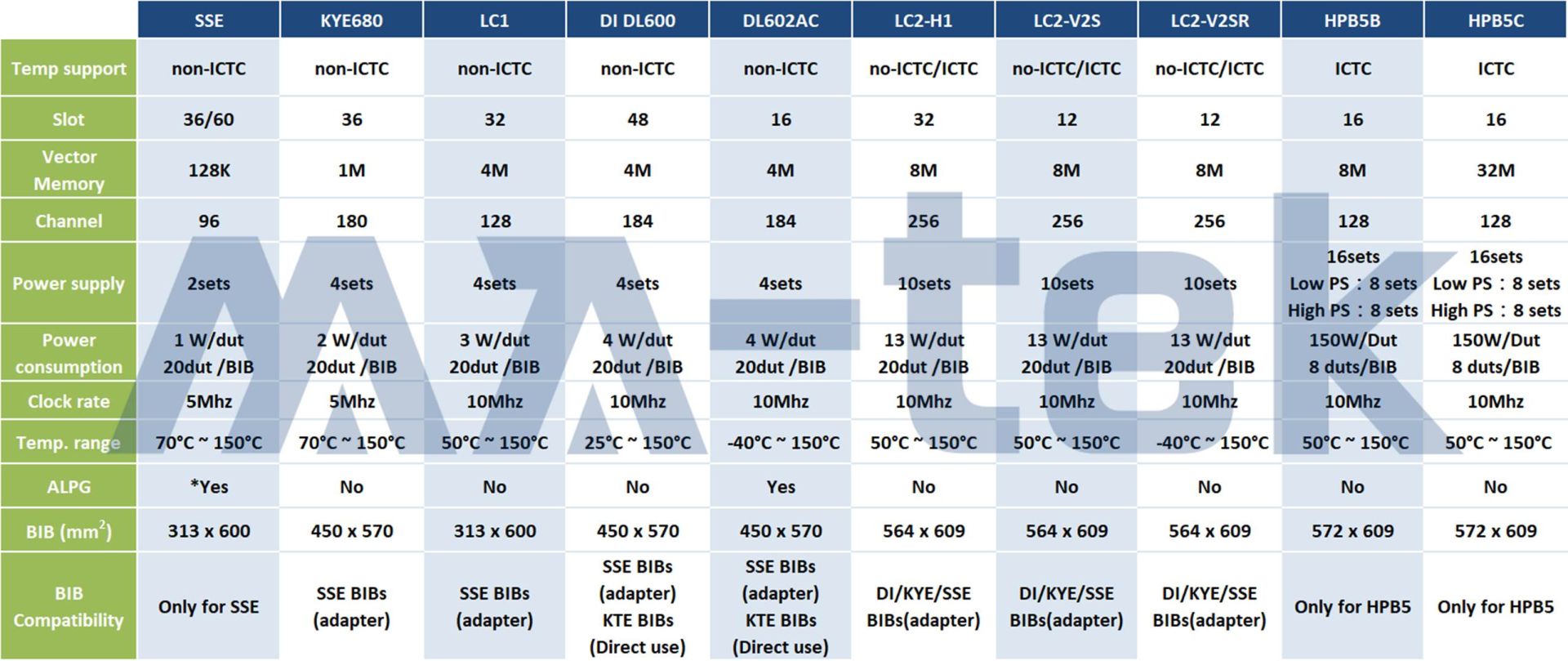
Table 1 Component Aging Test Machine Specifications
With the rapid development of generative AI、HPCWith the rapid development of large data centers,AIThe power consumption of a single chip has broken through conventional design limits, moving toward 800 W or even 1000 WHigh power operation. Under such high current and high thermal density conditions, the long-term stability and reliability of the chip have become key factors affecting system performance, utilization rate, and operating costs.
Chip high power lifetime testing refers toAIProcessors, accelerator chips, and their packaging structures undergo long-term validation under extremely high power operating conditions to ensure that they can maintain stable, safe, and predictable performance in actual data centers and computing applications.
To meet the demands of next-generation high-power applications, we have developed a stable and long-duration high-power power-on testing capability to assist customers in comprehensively verifying the reliability and durability of products under extreme power consumption conditions, particularly by introducing ultra-high power lifespan testing equipment.MCC HPB6 (1000W) and Incal Sonoma(800W)The equipment capabilities are shown in the figure below:
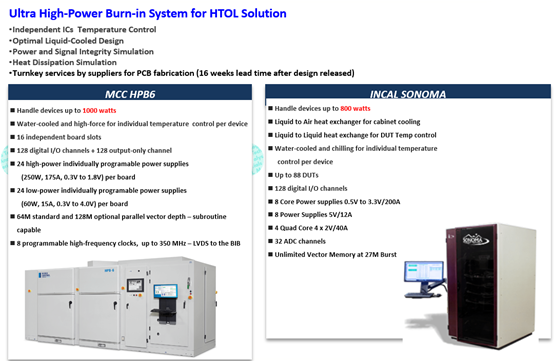
Figure :Ultra-high power lifetime testing equipment capabilities
MA-tek has dedicated lifetime testing laboratories in Taiwan and Shanghai, operated and analyzed by an engineering team with a background in semiconductor process engineering and years of reliability experience. The equipment includes multi-chamber aging ovens, temperature-controlled Burn-in systems, various Socket application platforms, complex logic dynamic signal simulation devices, and systems that support long-term, high-density, multi-channel OLT/ELFR parallel execution. With a solid process background and a complete reliability platform, we provide:
-
Aging board design and manufacturing
-
High temperature aging and accelerated life testing
-
Early failure rate analysis
-
Comparison of electrical parameters before and after
-
Lifetime estimation and usage risk assessment
-
Automotive electronics mission-oriented lifespan model
-
Complete report and failure mechanism interpretation