
LED product lifespan testing
LED Lifetime Test is an important verification procedure for assessing the changes in optical characteristics and reliability of light-emitting diodes during long-term operation. As LED technology and applications become increasingly mature, the demands for quality and lifespan in various fields, from automotive lighting, display panels, smart lighting to outdoor optoelectronic devices, have also become more stringent. Due to continuous advancements in processes and materials innovation, to ensure that products maintain stable performance under different environmental and operational conditions, the industry commonly adoptsAEC-Q102 automotive reliability standardAs the main basis.
Unlike general electronic components that are controlled by voltage, LEDs useCurrent control operation, and are highly sensitive to Electrostatic Discharge (ESD) and Thermal management designVery sensitive. Poor heat dissipation can lead to an increase in junction temperature (Tj), which accelerates light decay and shortens lifespan. Therefore, the core purpose of the LED lifespan test is to simulate multiple stress conditions in actual usage scenarios to verify its reliability and lifespan.
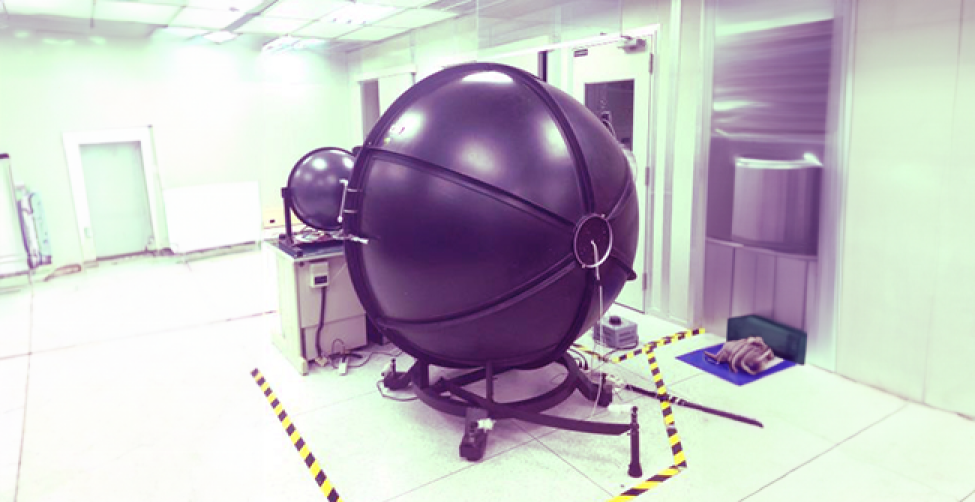
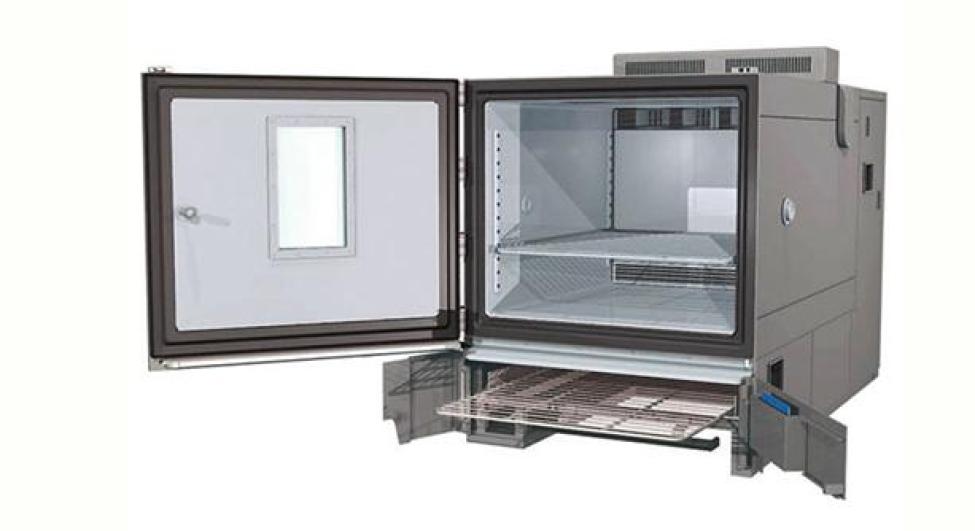
MA-tek not only providesLED reliability and lifespan testing services, and has further introduced an integrating sphere optical measurement systemcan compare the changes in luminous flux, color temperature, and luminous efficiency before and after testing, helping customers quickly grasp the trend of performance degradation. At the same time, establishlarge temperature and humidity testing equipmentcan conduct long-term stability verification of LED modules to ensure that products still have high reliability and stable output in harsh environments.
1. Electrical and optical reliability verification
Confirm the performance stability of the LED under actual driving conditions. LEDs are different from general electronic components; in addition to electrical performance, theirLight output, spectrum and color stabilityThe same is a core indicator of reliability assessment. MA-tek has established a complete electrical and optical measurement platform, which allows for real-time comparison before and after testing, ensuring that test results are consistent and traceable. Key test items include:
-
Electrostatic Discharge Testing (ESD: HBM/CDM): Verify the product's tolerance to electrostatic shocks using HBM and CDM modes.
-
Thermal resistance (Θth) measurement and junction temperature (Tj) estimation: assist customers in analyzing heat dissipation design performance to extend LED lifespan.
-
LED luminous flux (Lm), spectrum measurement
-
Color coordinate measurement (CIE 1931, CIE 1976)
2. Environmental and Accelerated Life Testing
Simulate aging behavior under long-term operation and harsh environments.The lifespan of LED is highly affected byTemperature, humidity, current drive conditions and environmental corrosion factorsImpact. Through accelerated life and environmental aging tests, material degradation, light decay, and structural risks can be exposed early. The test items include:
-
Product lighting lifespan test (different current/temperature/humidity combinations): Continuously lit under different current, temperature, and humidity conditions to assess light decay and lifespan performance.
-
Pulse testing (IOL/PLT): Stricter but closer to actual usage conditions.
-
Environmental aging tests (salt spray, acidic gas, mixed gas FMG): Conduct salt spray or acidic gas corrosion tests for outdoor applications to examine the reliability of packaging and structure.
-
Moisture Sensitivity Level Testing (MSL): Assessing the moisture resistance of SMD packages during the reflow process.
-
LM-80 lifetime test (55°C / 85°C / high temperature point)
-
Lifetime estimation (Activation Energy calculation): Estimating actual lifetime using the activation energy calculation model.
3. Structural and System Level Reliability Testing
Ensure the long-term structural stability of LEDs in outdoor, automotive, and high-power applications.For outdoor lighting, high-power modules, and automotive LED applications, product reliability not only depends on the electrical and optical performance of the LED components themselves but also relies heavily onPackaging structure design, module assembly quality, heat dissipation path and external protection capabilityoverall collaborative performance, in actual usage environments, LED systems must endure mechanical forces, temperature and humidity changes, high power thermal stress, and environmental erosion for extended periods. Any structural weakness may accelerate light decay, lead to failure, or even cause systemic failures. MA-tek can tailor corresponding solutions based on different application scenarios (outdoor, automotive, high wattage lighting).System-Level Reliability TestFrom component mounting and module assembly to finished product structure, we comprehensively verify the structural stability and durability of LED products under real-world operating conditions.
The test scope includes:
-
Mechanical stress testing (tensile force, vibration, impact): By simulating the external force conditions that products endure during assembly, transportation, and actual use, the mechanical strength and reliability of LED components, solder joints, and module structures are evaluated. The testing items include modes such as thrust, tensile force, vibration, and impact, and corresponding testing conditions can be set according to the product application environment (such as automotive driving vibrations, outdoor equipment installation conditions) to expose potential structural flaws and design risks early.
-
Waterproof and Dustproof Testing (IP Rating): For outdoor and automotive LED products, waterproof and dustproof capabilities are key factors affecting long-term reliability. MA-tek can perform protection tests of different IP ratings according to product requirements, verifying the integrity of packaging structures, bonding interfaces, and sealing designs under conditions of moisture and dust intrusion, ensuring that products can maintain stable operation in harsh environments.
-
High Power LED Thermal Validation (Water Cooling Circulation System): High power LEDs tend to generate significant heat accumulation when driven by high currents. Poor thermal design can directly affect light decay rate and lifespan. MA-tek can verify the thermal efficiency, temperature stability, and thermal pathway design rationality of high wattage LED modules during prolonged operation through a water cooling circulation system and auxiliary thermal management framework, assisting customers in optimizing material selection and structural configuration.
-
Solderability, PCT, Heat Resistance Test: For the assembly reliability of LED components and modules, evaluations such as solderability, pressure cooker test (PCT), and heat resistance test are provided to examine the quality of solder joints, packaging materials, and structures under high temperature and humidity or thermal shock conditions, reducing the risk of long-term failure.
4. Integrated LED reliability testing services
One-stop platform that meets AEC-Q, LM-80, and industry standards.MA-tek provides comprehensive LED reliability and lifespan verification services, with testing based onAEC-Q101/AEC-Q102, LM-80 and customer-defined specificationsIn addition to component-level testing, long-term environmental testing for LED modules and finished products can also be supported, and optical characteristic comparisons can be conducted synchronously before and after testing, effectively shortening the verification timeline and improving testing efficiency.
The optical measurement items available include:
1. LED luminous flux (Luminous Flux, lm) measurement
2. LED spectrum (Spectrum) analysis
3. LED chromaticity coordinate measurement: CIE 1931 (x, y), CIE 1976 (u′, v′)
The relevant measurement results can be applied to optical degradation comparisons before and after reliability testing, lifespan assessment, and quality verification.
1. Gas corrosion test: single gas (H₂S), four types of mixed gases (FMG)
2. Dew test
3. Pulse life test (Pulse Life Test, PLT)
The above tests can assist automotive customers in verifying the durability and reliability of LED products under high humidity, high corrosion, and actual driving environments.
1. Evaluating the effectiveness of heat dissipation structure design
2. Verifying temperature stability under high wattage driving conditions
3. Reducing the risk of thermal failure and extending product lifespan
1. Die Bonding
2. Wire Bonding
3. SMT assembly process
To facilitate subsequent LED reliability and lifespan testing. However, the packaging adhesive and phosphor materials are core technologies and know-how of each customer. Based on confidentiality and technical boundary considerations, related material production services will not be provided at this time.
The testing conditions must meet the following requirements:
1. The LED test point temperature must not be lower than the specified temperature by 2 °C.
2. The ambient temperature must not be lower than the specified temperature by 5 °C.
3. The testing duration must be at least 6,000 hours.
4. Optical measurements must be conducted every 1,000 hours.
The test results can serve as an important basis for analyzing LED light decay behavior and estimating lifespan.