
Mechanical Stress Test
Mechanical Stress Testis used to evaluate electronic components under external forces, theirWhether the packaging structure, solder joints, and internal bonding have sufficient mechanical strength and durability,The test mainly simulates the components underduring the assembly, testing, transportation, and actual usage processThe external mechanical stresses that may be encountered, such as thrust, tension, bending, vibration, and impact, help to identify potential structural weaknesses in advance, preventing functional failure due to mechanical damage. For semiconductor components, automotive electronics, and high-reliability applications, mechanical stress testing is a key validation process to ensure long-term stability and consistency in product quality.
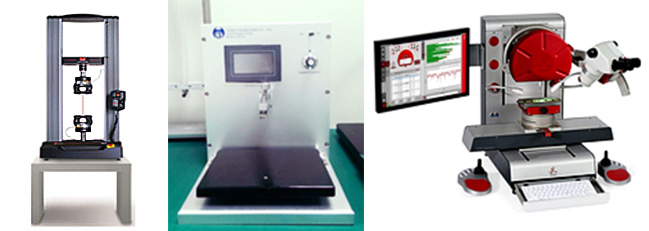
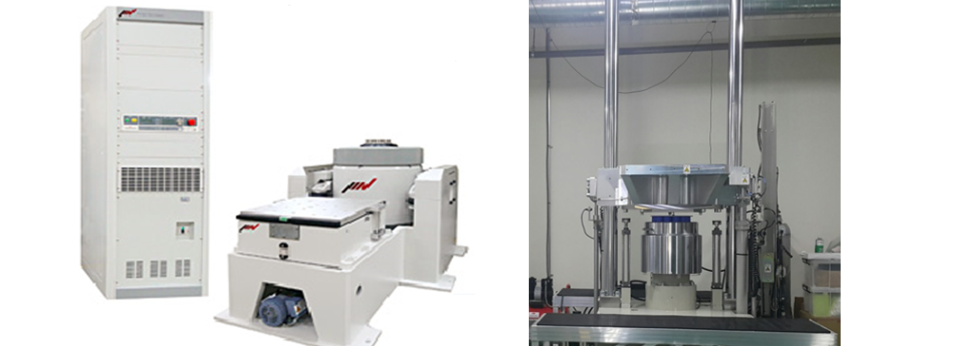
MA-tek has the most complete in the industryComponent Reliability Testing Platform, covering MIL-STD, JEDEC, IEC, JESD, AEC, EIAand provided by a senior engineering teamTotal Solutionto assist customers in completing the entire process of testing from experimental design, fixture development to result analysis. The main equipment includes:
-
Wire Pull & Ball Shear testing machine
-
Foot fatigue testing machine
-
Universal Material Testing Machine
- Vibration Test Machine
- Mechanical Impact Testing Machine
Through precise accelerometer calibration and measurement control, ensure the accuracy of each mechanical stress test.Accurate G-value, high reproducibility, reliable resultsto assist customers in improving product reliability and quality trust.
Before conducting mechanical stress tests, it is necessary to confirm the components'SolderabilityWhether it meets the requirements, since most components need to be soldered onto the PCB board first, and then undergo subsequent push-pull, bending, or vibration tests, the quality of the solder joints will directly affect the credibility of the mechanical test results. Solderability testing is usually based onJ-STD-002International standards implementation, common processes include:
-
PreconditioningPre-treatment is used to simulate the actual soldering state of components after long-term storage, often employingHigh temperature baking of condition E (such as 155°C Dry Bake)to verify whether the solder surface still has sufficient solderability, avoiding the impact of oxidation or deterioration on subsequent mechanical testing judgments.

-
Solderability TestIncluding the tin bath method, tin dipping method, and surface mount adhesion simulation method, among which the surface mount adhesion simulation method is closest to the actual SMT process, effectively evaluating the wettability of solder joints and soldering quality, and is an important basic verification before mechanical stress testing.
Mechanical stress testing will choose appropriate testing methods based on the component packaging type, size, and application context, with common items including:
Component and solder joint structure testing
-
Heat Resistance TestConfirm the structural stability of the component in a high-temperature environment.
-
Lead Fatigue TestEvaluate the durability of the pins under repeated bending.
-
Push Strength Test / Peel Strength TestVerify the bonding strength between the solder joint and the pad.
-
Pull Strength Test
-
Wire Pull / Ball Shear TestConfirm the reliability of the internal bonding structure
Special packaging structure testing
For Cavity Package, bare packageFor products with relatively fragile structures (such as CMOS image sensors and MEMS components), additional tests are often required:
-
Vibration Test
-
Mechanical Shock Test
-
Free Fall Test: Simulating the risk of falling during transportation and packaging processes.