
Exploring the world of verification for automotive modules
Preface
__25H146kIUw.png)
Multi-Chip Module (MCM) Automotive Verification
Multi-chip modules in the AEC-Q verification specification family (as shown in Figure 2) reference AEC-Q104. The current AEC-Q104 was established in 2017, and its specifications are gradually unable to meet the rapidly developing multi-chip modules. Many issues arise when planning verification projects, which requires companies like MA-tek that have rich automotive regulatory experience.Testing organizationAssist in tailoring verification requirements that meet AEC-Q104 for different types of multi-chip modules.
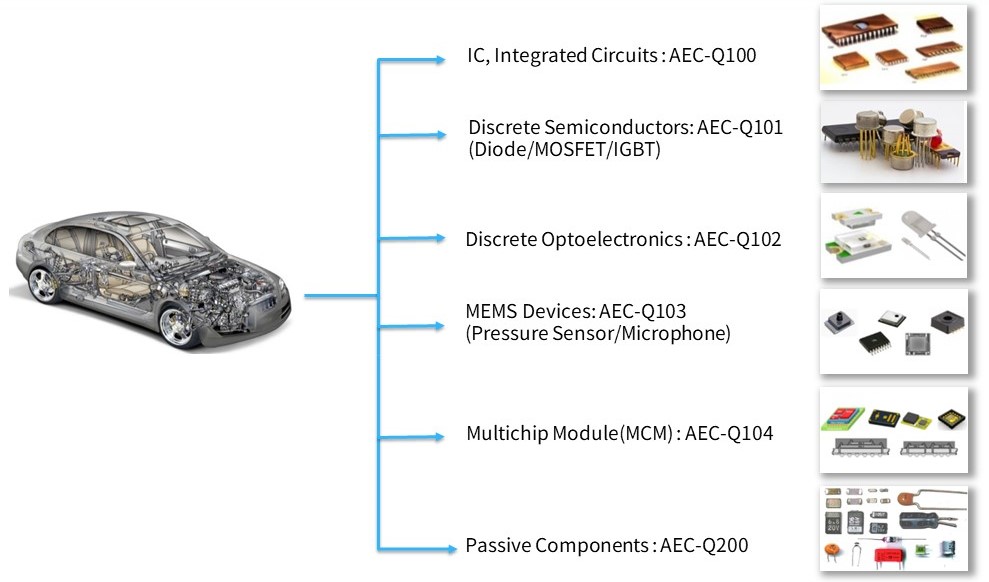
Figure 2. AEC-Q Verification Specification Family
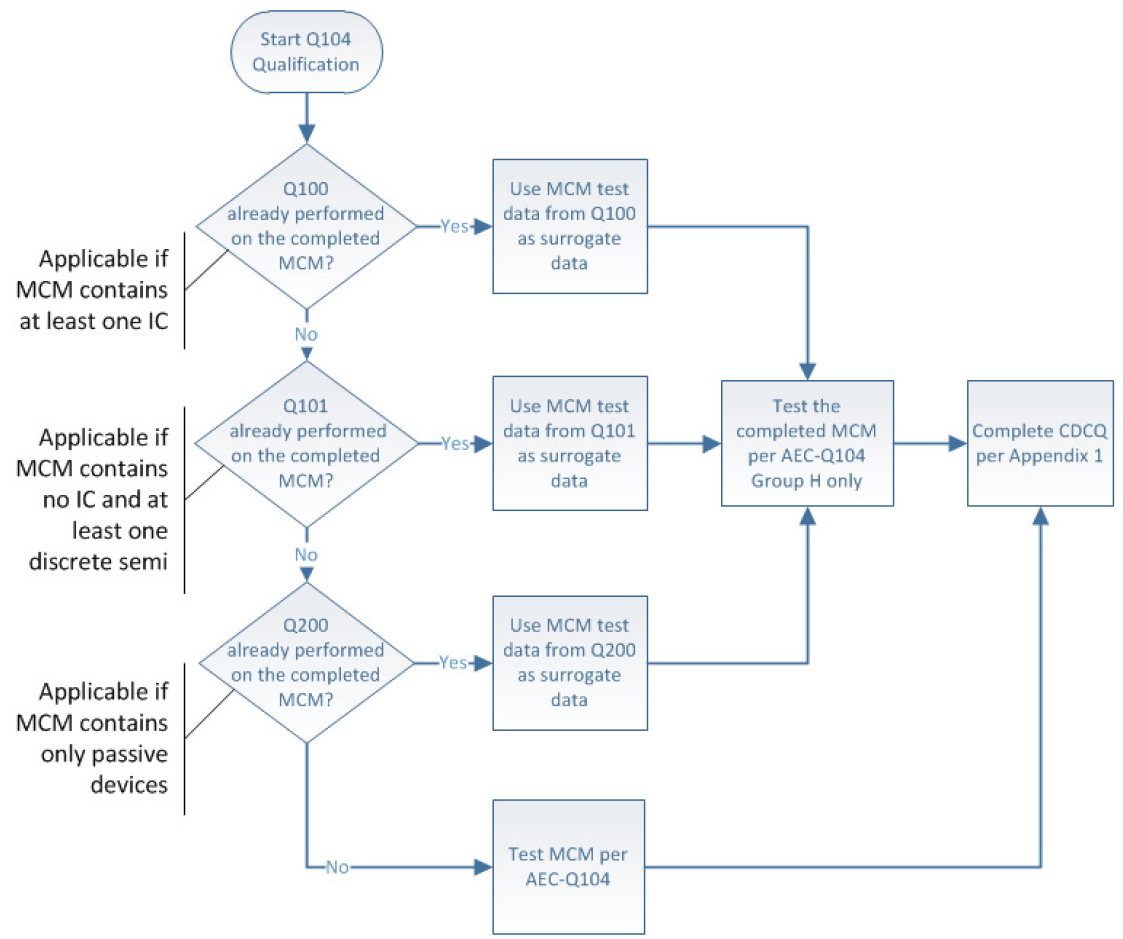
Figure 3. AEC-Q104 Verification Process
First, let's explore the AEC-Q104 verification process (as shown in Figure 3). As the saying goes, insiders see the essence, while outsiders see the excitement. When the general public looks at the process, they only see that executing a complete AEC-Q104 verification requires performing AEC-Q100 plus two test groups from AEC-Q104 Group H, and then integrating the test results from the two groups into a single AEC-Q104 verification report. Based on the author's years of study of the AEC-Q verification specification family, it is found that for complex structured modules in automotive verification, the verification architecture is divided into general commonality verification and special projects tailored for different characteristics. Taking AEC-Q104 as an example, AEC-Q100 is a general commonality verification project, while AEC-Q104 Group H is a special project. Other modules, such as MEMS (AEC-Q103) and the optical multi-chip module to be explored next, are also designed according to this verification architecture.
Optical Multi-Chip Module (OE-MCM) Automotive Verification
The optical multi-chip module product can be said to be the eyes of autonomous vehicles, playing a crucial role in the future of the autonomous vehicle field. So, is the optical multi-chip module also based on AEC-Q104 or AEC-Q102? This is a question that customers often ask the editor. The devil is in the details, and it actually refers to the AEC-Q102-003 sub-specification. Generally, if the AEC main specification does not cite a sub-specification, the sub-specification is often overlooked, leading to the difficulty of not knowing which specification the optical multi-chip module verification refers to. So how is the automotive verification of the optical multi-chip module executed? Let the editor once again lead everyone into the world of automotive optical module verification.
First of all, the currently referenced AEC-Q102-003 was established in 2022, which defines the product types of various combinations of OE-MCM (as shown in Figure 4 below), making it very clear whether the samples belong to the OE-MCM verification products.
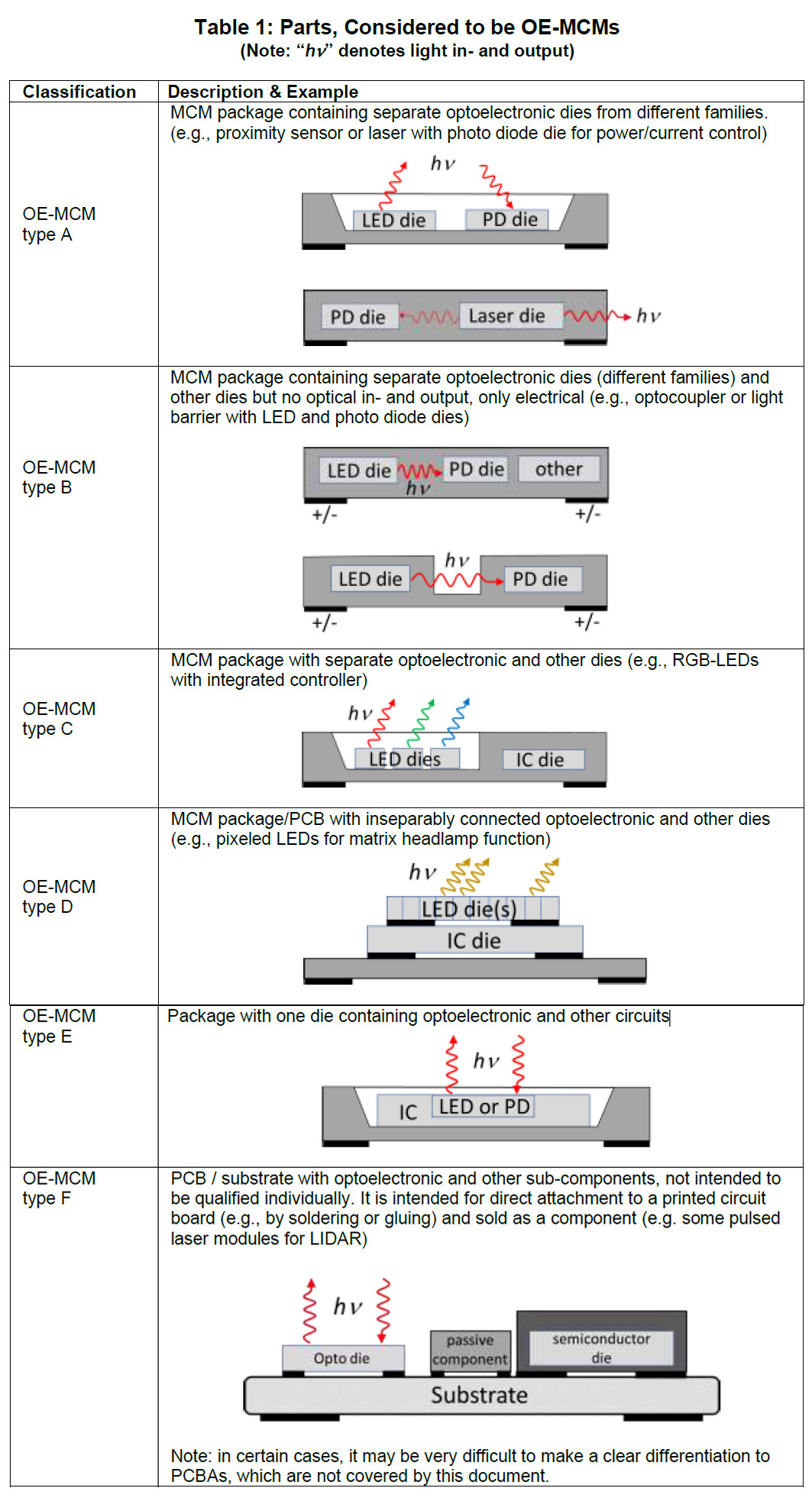
Figure 4. Product types of OE-MCM
The AEC-Q102-003 verification process differs from the AEC-Q104 verification process, adopting the following steps (as shown in Figure 5). First, it is necessary to determine which components are included in the module and the corresponding general commonality test items referenced in the AEC-Q specifications. Then, compare whether there are overlaps in the test items of different types of components (as shown in Figure 6). Finally, integrate the general commonality automotive verification items for the Optical Multi-Chip Module (OE-MCM), which is somewhat different from AEC-Q104 that only conducts AEC-Q100 test items. After gaining a general understanding of the verification processes of AEC-Q104 and AEC-Q102-003, what are the differences between these two specifications? Let's continue to explore.
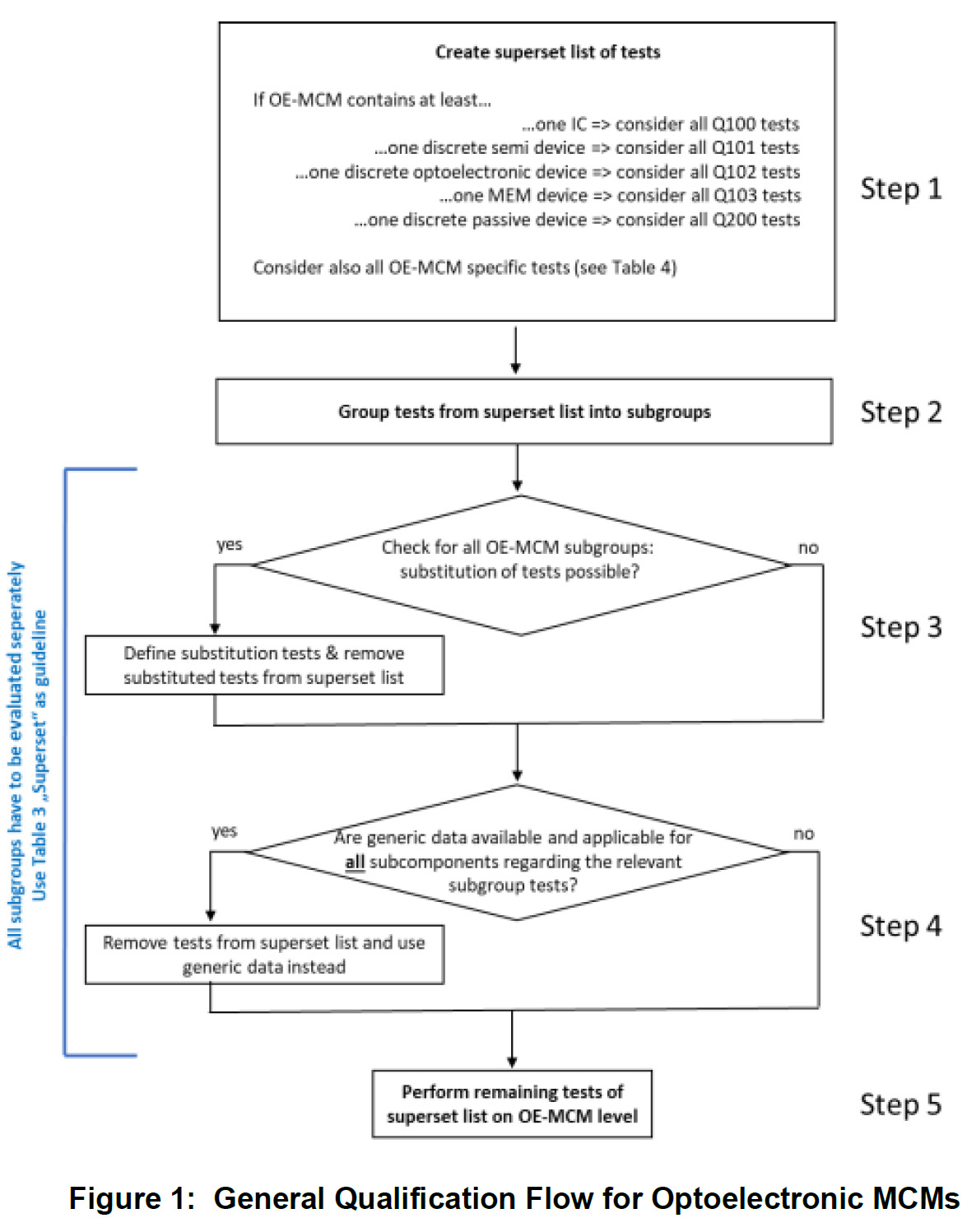
Figure 5. AEC-Q102-003 Verification Process
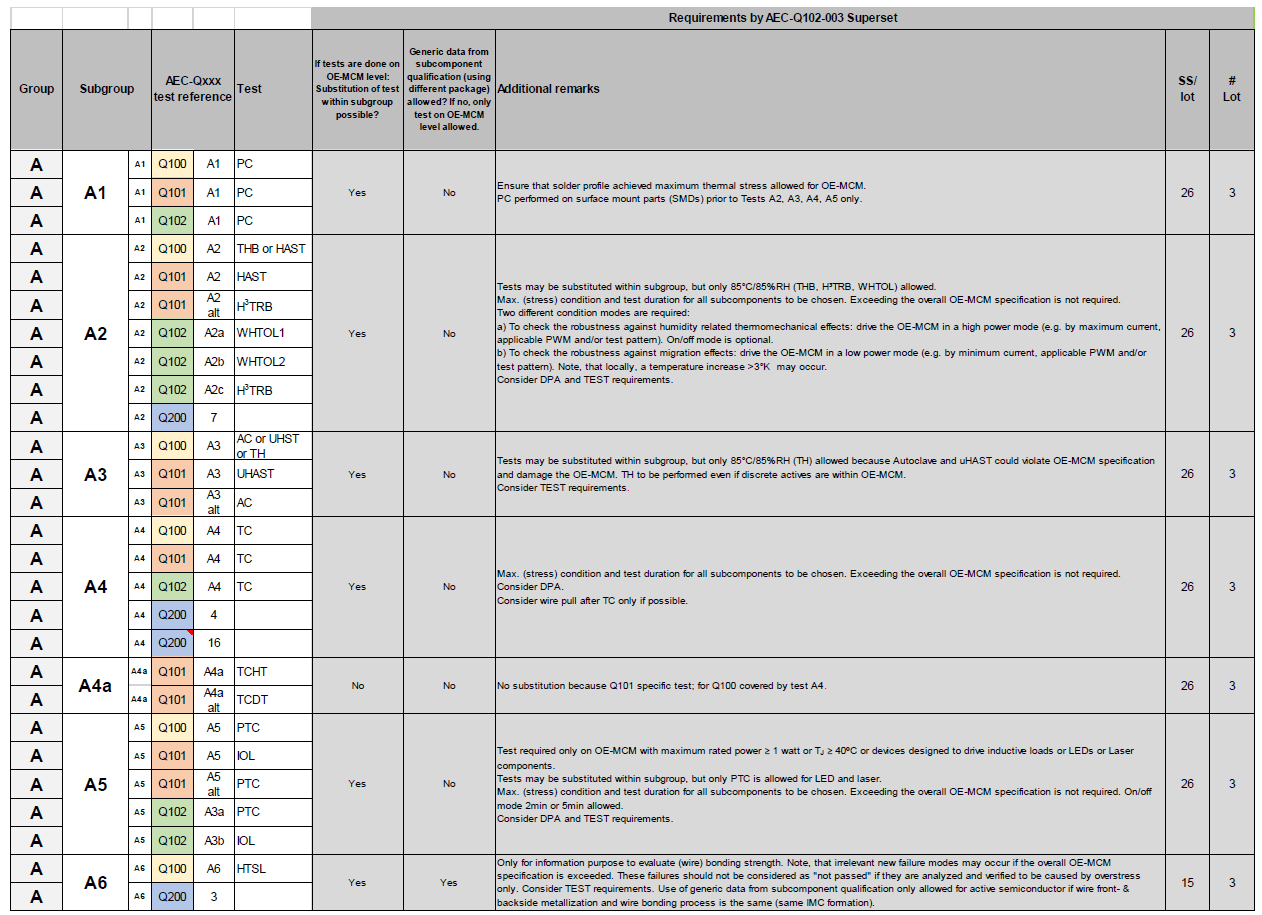
Figure 6. Comparison of test project cases for different types of component compositions.
Differences between AEC-Q104 and AEC-Q102-003
What are the differences between AEC-Q104 and AEC-Q102-003 in the specifications for automotive module types? This is a question that many people may have, and the editor has compiled the differences between these two standards in the table below:
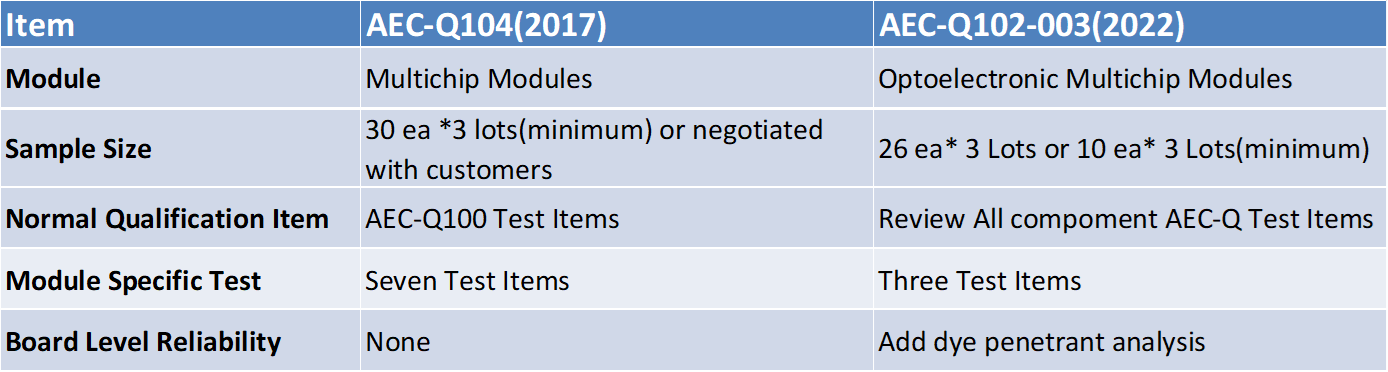
From the comparison table, it was found that the two specifications differ in four areas: sample size, general commonality verification, special project verification, and board-level reliability. In practice, many encounter difficulties when verifying automotive modules for board-level reliability. Many customers ask how to handle situations where the module cannot be designed for daisy chaining. How to determine if the solder joints have failed? At that time, I suggested using failure analysis methods for interpretation, but it was still challenging because the specifications did not define execution rules. Finally, the 2022 version of the AEC-Q102-003 specification introduced red ink analysis, solving the long-standing problem of interpreting failures when board-level reliability cannot be executed due to the inability to design daisy chaining.
Summary
Due to the wide variety of automotive module types, there are often applicability issues with some testing projects. If you are still confused about how to verify AEC-Q Multichip Modules, feel free to consult MA-tek's automotive compliance verification professional team. MA-tek can assist in planning verification content that meets AEC-Q104 and AEC-Q102-003.
Consultation hotline
-
Contact Window: Ms. Li
-
Tel: +86-21-50793616 ext: 85044
-
Mobile: +86-138-1615-8429
-
Email: aecq_sh@ma-tek.com