
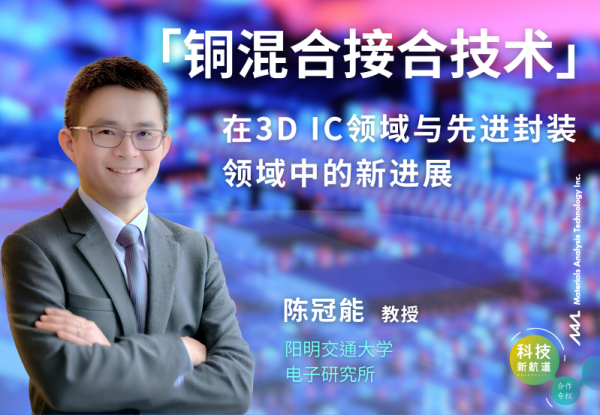
Innovative Breakthroughs in Copper Hybrid Bonding Technology: Key Technologies for 3D Integrated Circuits and Advanced Packaging
The development of 3D IC technology is like stacking "LEGO blocks," vertically integrating chips with different functions, which not only saves space but also significantly enhances overall system performance, bringing new possibilities for breaking the Moore's Law! However, to ensure that these "blocks" of chips can align precisely, communicate stably, dissipate heat effectively, and avoid short circuits or aging, the key lies in "how to connect them."
Silicon photonics technology promotes advanced high-performance computing
Faced with the massive computing demands of AI and HPC systems, how silicon photonics technology can enhance data transmission rates and reduce power consumption between data centers and chips through optical interconnect technology, providing a key pathway for the next generation of high-performance computing architectures.
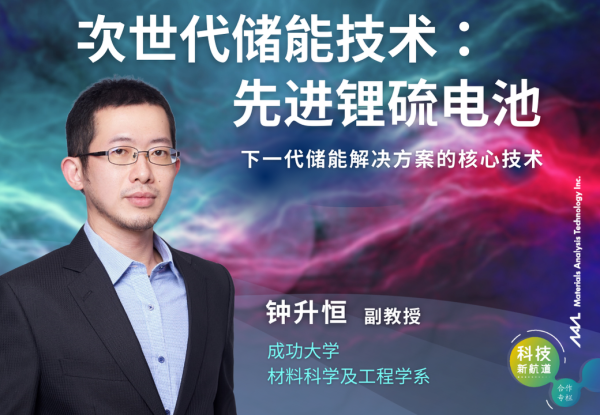
Next-generation energy storage technology: advanced lithium-sulfur batteries
Lithium-sulfur battery (Li-S Battery) is regarded as an important breakthrough in next-generation battery technology. As lithium-ion batteries gradually approach their technical limits, lithium-sulfur batteries, with advantages such as "high energy density, low cost, and environmentally friendly lightweight," demonstrate strong application potential in fields such as electric vehicles, aerospace, drones, and smart grids that require large-scale energy storage. They are rapidly becoming a global research and development focus!
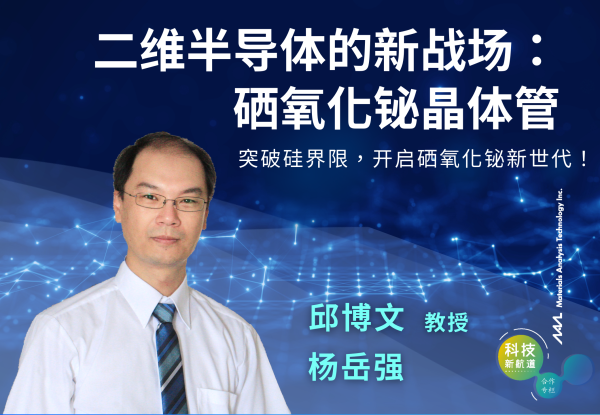
The new battlefield of two-dimensional semiconductors: bismuth selenide transistors
As the miniaturization of silicon-based transistors approaches physical limits, two-dimensional semiconductor materials such as bismuth selenide are becoming new candidates for transistors in the post-silicon era due to their high carrier mobility, advantages of native oxide layers, and potential for large-area growth.